


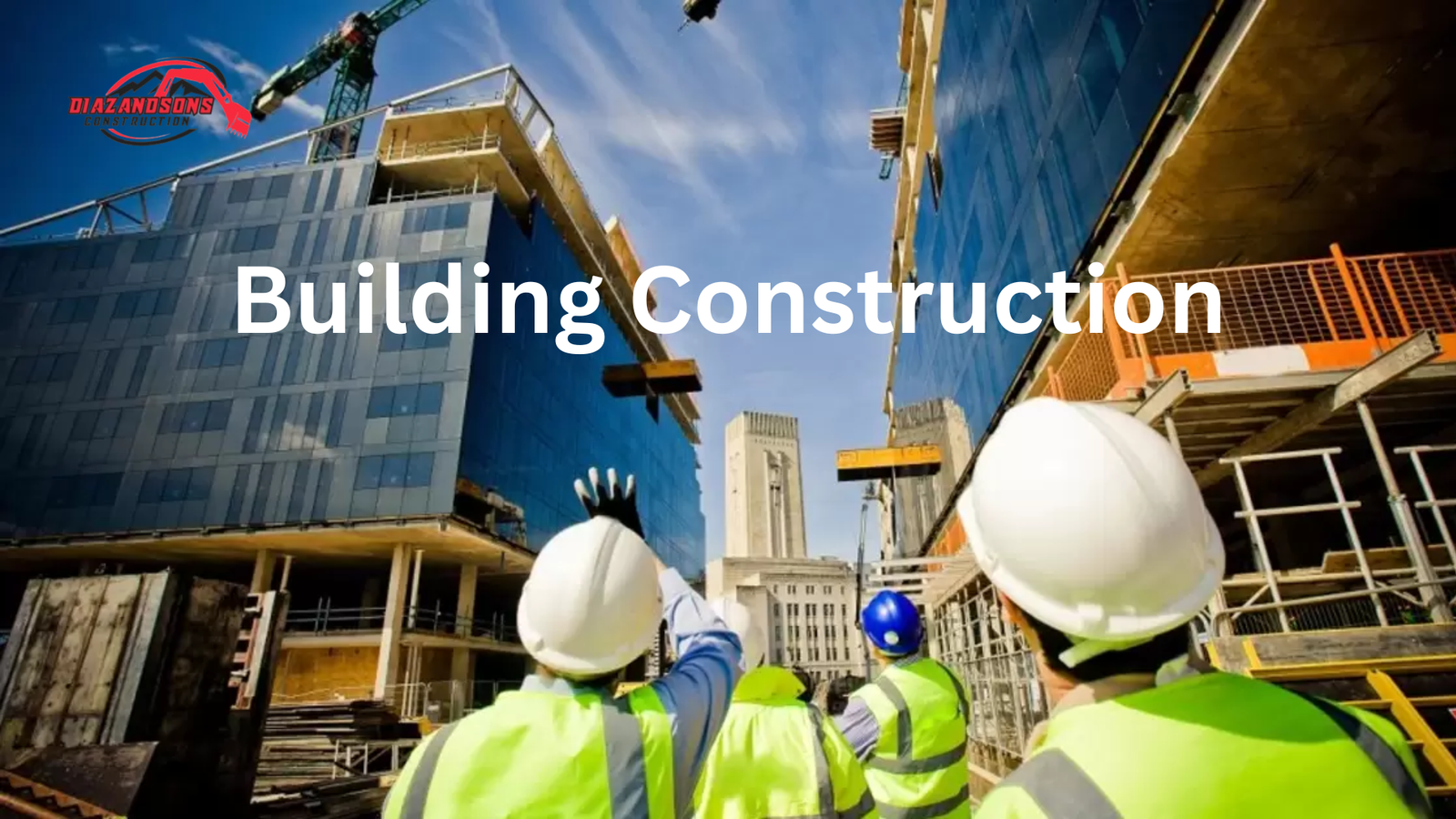
Cities grow, communities expand, and people continue to build spaces where life happens. Homes, schools, offices, hospitals, bridges, and shopping centers all exist because of one essential process: Building construction. It is the backbone of urban development and the foundation of modern civilization. Every structure we see around us begins with planning, engineering, materials, and skilled labor working together to transform ideas into physical spaces.
Building construction is more than simply assembling bricks, steel, and concrete. It is a coordinated system that involves architects, engineers, contractors, designers, and construction workers. Each person contributes expertise that ensures the structure is safe, functional, and durable. From the earliest design sketches to the final finishing touches, every stage requires precision and careful planning.
The demand for efficient and sustainable Building construction has increased dramatically in recent years. Rapid urbanization means cities must build faster while still maintaining high standards of safety and environmental responsibility. This shift has encouraged the construction industry to adopt modern technologies, advanced materials, and smarter project management strategies.
The Importance of Building Construction in Modern Society
Infrastructure defines how societies function. Without reliable buildings, communities cannot operate effectively. Schools cannot educate students, hospitals cannot provide care, and businesses cannot operate without properly constructed facilities. Building construction plays a direct role in improving quality of life by providing spaces where people live, work, and connect with one another.
Economic growth also depends heavily on construction activity. When large construction projects begin, they create jobs for engineers, contractors, architects, suppliers, and laborers. Materials such as cement, steel, glass, and wood must be produced and transported, which supports entire industries. In many countries, the construction sector contributes a significant percentage of national economic output.
Safety is another critical factor. Modern Building construction follows strict engineering standards to ensure structures can withstand natural forces such as wind, earthquakes, and heavy rainfall. Engineers carefully calculate loads, materials, and structural designs so buildings remain stable for decades.
Planning and Design: The First Stage of Building Construction
Every successful project begins with planning. Before construction even starts, architects and engineers spend months developing detailed designs that define the shape, function, and structure of the building. This stage determines how the building will look and how it will perform in real-world conditions.
Architects focus on layout, aesthetics, and usability. They design spaces that maximize comfort, functionality, and visual appeal. Engineers then translate these designs into technical plans that ensure structural stability.
Modern Building construction planning also includes digital modeling tools. Advanced design software allows engineers to simulate structural performance before a single brick is placed. These simulations help detect potential weaknesses and improve efficiency.
During planning, project managers also estimate costs, define timelines, and coordinate contractors. Proper planning reduces delays, prevents design conflicts, and ensures that resources are used effectively.
Preparing the Construction Site
Once the design phase is complete, the next step in Building construction involves preparing the site. This stage is often overlooked by the public, but it is one of the most important phases in the entire process.
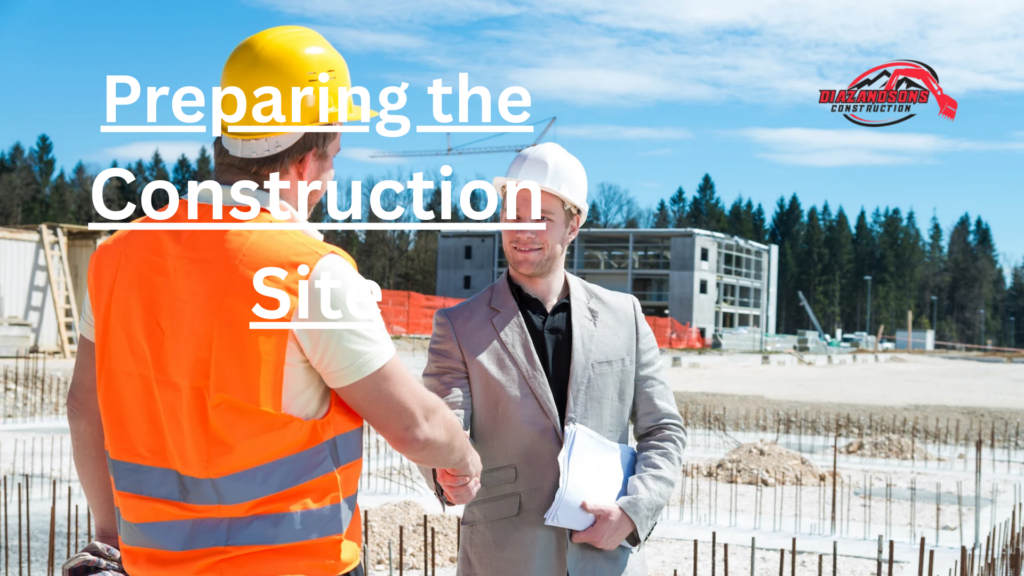
Site preparation begins with land surveys that analyze soil conditions, elevation levels, and environmental factors. Engineers study the ground to determine whether it can support the weight of the building. If the soil is unstable, additional reinforcement or foundation adjustments may be required.
After surveys are complete, construction crews clear the land. This may involve removing vegetation, rocks, or existing structures. Heavy machinery such as excavators and bulldozers level the ground and prepare it for foundation work.
Utilities such as water lines, drainage systems, and electrical connections are also planned during this stage. Proper site preparation ensures that later construction stages proceed smoothly.
Foundation Systems That Support the Entire Structure
The foundation is the most critical component of Building construction. It carries the entire weight of the building and transfers that load safely into the ground. A strong foundation ensures that the structure remains stable throughout its lifetime.
Different types of foundations are used depending on soil conditions and building size. For smaller residential structures, shallow foundations are commonly used. These spread the load across a wider area of soil. Larger buildings often require deep foundations such as piles or drilled shafts that extend far below the surface.
Concrete is the primary material used in foundations because of its strength and durability. Reinforcement bars made from steel are embedded inside the concrete to increase its load-bearing capacity.
Proper curing time is essential during this stage. The concrete must harden and gain strength before additional construction work can begin. Rushing this process could compromise the stability of the entire building.
Structural Framework in Building Construction
Once the foundation is complete, the structural framework begins to rise. This stage defines the skeleton of the building. The framework supports floors, walls, roofs, and all interior components.
Steel frames are widely used in large commercial buildings because of their strength and flexibility. Steel structures can support tall buildings while allowing architects to create open interior spaces. Reinforced concrete frames are also common in residential and mid-rise buildings.
Wood framing remains popular in smaller residential Building construction projects. Wood is lightweight, easy to work with, and cost-effective. However, engineers must carefully design wood structures to protect them from moisture, pests, and fire hazards.
During this phase, construction crews install beams, columns, and floor systems that form the core structure. Precision measurements ensure that every component fits perfectly within the design specifications.
The Role of Structural Engineers
Structural engineers are responsible for ensuring that the building can safely handle loads and stresses. They calculate how forces such as gravity, wind, and earthquakes affect the structure. These calculations determine the size and placement of structural components.
Their work is essential in modern Building construction because buildings must meet strict safety standards. Without accurate engineering calculations, even a visually impressive building could become structurally unsafe.
Exterior Walls and Building Envelopes
After the structural framework is completed, the next stage of Building construction focuses on enclosing the building. Exterior walls and roofs protect the interior from weather conditions such as rain, wind, and heat.
Different materials are used depending on the building type and climate. Brick, concrete panels, glass curtain walls, and metal cladding are common exterior materials. Each material offers different advantages in terms of durability, insulation, and aesthetics.
The building envelope also includes insulation layers and waterproof barriers. These elements help regulate indoor temperatures and protect the structure from moisture damage.
Properly designed exterior systems improve energy efficiency by reducing heating and cooling requirements. As a result, modern Building construction increasingly focuses on insulation performance and sustainable materials.
Interior Systems and Mechanical Installations
Once the exterior structure is complete, attention shifts toward interior systems. This stage transforms an empty structure into a functional building. Electricians, plumbers, and HVAC specialists install the systems that support daily operations.
Electrical wiring distributes power to lighting systems, appliances, and equipment. Plumbing networks deliver water to bathrooms, kitchens, and mechanical systems while safely removing wastewater. Heating, ventilation, and air conditioning systems regulate indoor temperature and air quality.
These systems must be carefully coordinated within the structure to avoid conflicts. For example, ducts and pipes must fit within ceilings and walls without interfering with structural components.
Modern Building construction often includes smart technology integration. Sensors, automated lighting systems, and energy monitoring devices allow building owners to manage energy usage more efficiently.
Finishing Work and Architectural Details
The finishing stage of Building construction focuses on appearance, comfort, and usability. Floors, walls, ceilings, and interior surfaces are completed with materials such as tiles, paint, wood panels, and decorative finishes.
Windows and doors are installed to improve lighting, ventilation, and accessibility. Interior designers may contribute to this stage by selecting colors, textures, and layouts that enhance the overall aesthetic of the space.
Landscaping around the building is also completed during this phase. Pathways, gardens, and outdoor lighting create a welcoming environment around the structure.
Although finishing work may seem less technical than earlier stages, it plays a significant role in the final impression of the building. Attention to detail ensures that the building feels comfortable and visually appealing.
Sustainable Approaches in Building Construction
Environmental responsibility has become a major focus within the construction industry. Modern Building construction projects aim to reduce environmental impact while improving energy efficiency.
Green building practices include using recycled materials, installing energy-efficient lighting systems, and incorporating renewable energy sources such as solar panels. Water-saving plumbing systems and improved insulation help reduce resource consumption.
Sustainable design also considers natural lighting and ventilation. Large windows and open layouts allow sunlight to illuminate interior spaces during the day, reducing electricity use.
These environmentally conscious practices help buildings operate efficiently while reducing long-term operating costs. As awareness grows, sustainable Building construction continues to shape the future of architecture and urban planning.
Safety Standards in Building Construction
Construction sites are complex environments where heavy machinery, high elevations, and moving materials create potential risks. Strict safety protocols are essential to protect workers and ensure successful project completion.
Workers must wear protective equipment such as helmets, gloves, and safety harnesses. Safety supervisors monitor operations to prevent accidents and enforce regulations. Training programs teach workers how to operate equipment safely and respond to emergencies.
Structural safety is equally important. Engineers carefully inspect every stage of Building construction to ensure that materials and installation methods meet design requirements. Regular inspections confirm that the structure remains stable as construction progresses.
Safety planning protects both workers and future occupants of the building.
Technology Transforming Building Construction
Technology continues to reshape how buildings are designed and constructed. Digital tools allow architects and engineers to visualize projects in three dimensions before construction begins. These digital models improve collaboration between teams and reduce errors during construction.
Drones are now used to monitor construction sites from the air. They provide real-time images that help project managers track progress and identify potential issues. Robotics and automated machinery are also beginning to assist with repetitive tasks such as bricklaying and material handling.
Prefabrication is another emerging trend in Building construction. Instead of assembling every component on-site, certain building elements are manufactured in factories and transported to the construction site for installation. This method improves efficiency and reduces construction time.
The Future of Building Construction
The future of Building construction is shaped by innovation, sustainability, and urban growth. As cities expand and populations increase, the demand for efficient and resilient buildings will continue to rise.
Engineers and architects are exploring advanced materials that are stronger, lighter, and more environmentally friendly. Smart buildings equipped with automated systems will monitor energy usage, adjust lighting, and regulate indoor environments automatically.
Urban planners are also focusing on mixed-use developments where residential, commercial, and recreational spaces coexist within the same structure. These designs create more efficient cities where people can live, work, and socialize without long commutes.
Conclusion
The process of Building construction transforms ideas into physical structures that support daily life. From planning and design to finishing details, every stage requires coordination, skill, and careful engineering. Buildings must be strong enough to withstand natural forces while providing comfortable and functional spaces for people.
Advances in technology, sustainability practices, and innovative materials continue to reshape the construction industry. Modern Building construction no longer focuses only on structural strength. It also prioritizes energy efficiency, environmental responsibility, and long-term durability. As cities continue to grow, the importance of thoughtful construction will only increase. Well-designed buildings provide safe homes, productive workplaces, and vibrant communities where people can thrive for generations.
