

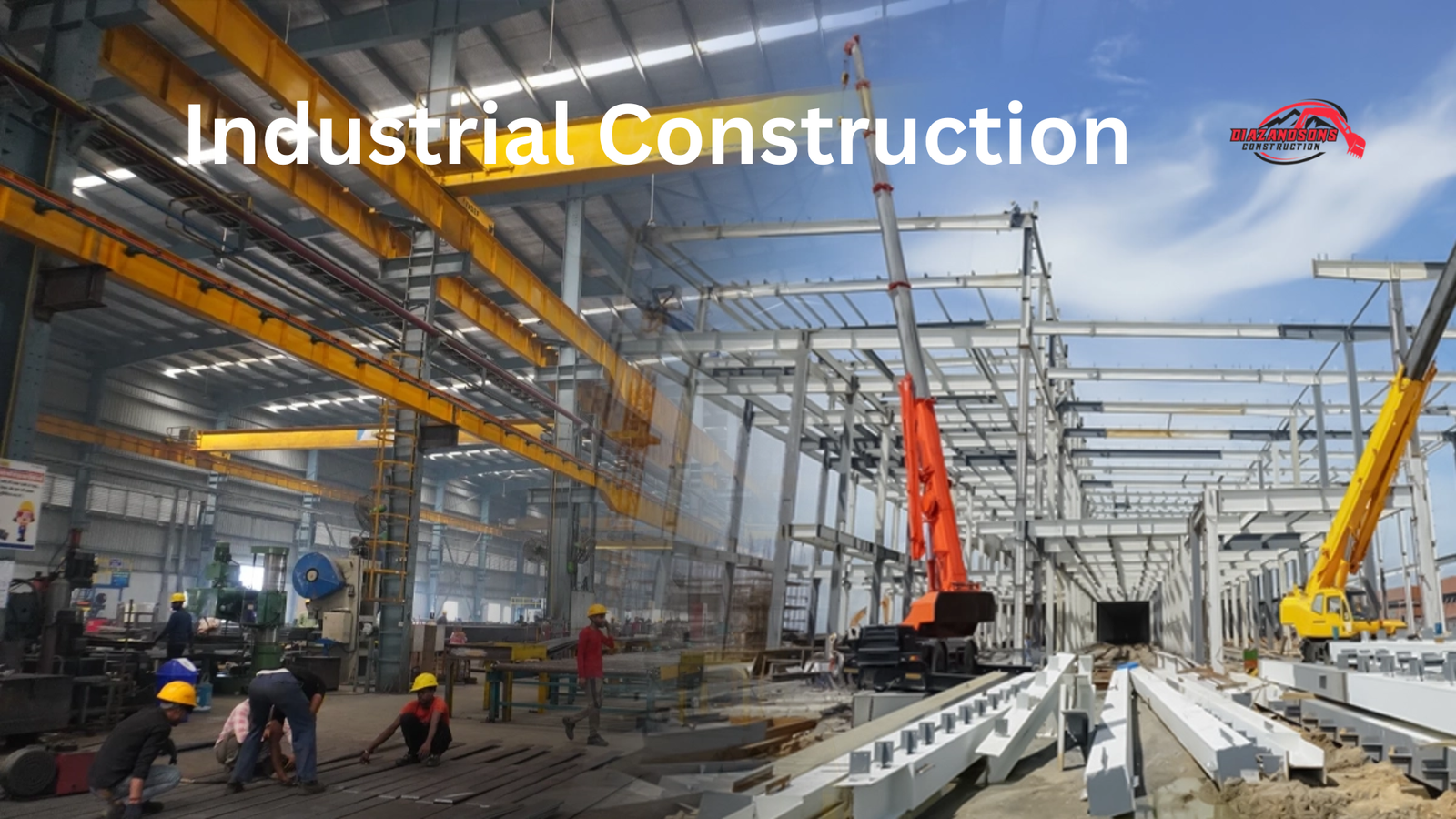
Modern cities, factories, power plants, and production facilities all rely on strong, reliable structures. Behind these large facilities stands a specialized field known as industrial construction. This sector focuses on building complex structures for heavy production, energy generation and storage, and large-scale operations. Unlike ordinary buildings, these projects demand precise engineering, advanced planning, and a deep understanding of industrial processes.
The growth of global manufacturing, logistics, and energy production has increased the demand for high-quality industrial construction projects. Companies invest millions into facilities that must operate safely and efficiently for decades. From steel plants and oil refineries to distribution centres and food processing factories, these structures form the backbone of modern industry.
Industrial projects are not only about erecting large buildings. They combine engineering, technology, safety planning, and long-term performance. Every detail matters because the buildings must support heavy machinery, extreme temperatures, chemical processing, and constant activity.
Understanding Industrial Construction
Industrial construction refers to the design and building of facilities used for manufacturing, production, processing, storage, and distribution. These structures often contain specialized equipment and require strong foundations, durable materials, and advanced mechanical systems.
Unlike residential or office construction, industrial projects are built to support operational performance rather than comfort or appearance. The goal is to create an environment where machines, workers, and processes function smoothly together.
Factories, power plants, warehouses, manufacturing plants, and processing facilities are common examples of projects developed through industrial construction. Each of these facilities has unique requirements, including heavy load capacity, specialized ventilation systems, and precise structural design.
Industrial buildings must also follow strict safety regulations. Workers operate complex machines, handle chemicals, and manage heavy materials inside these facilities. The construction process must therefore ensure both structural integrity and operational safety.
Why Industrial Construction Is Essential for Economic Growth
The global economy relies heavily on manufacturing, energy production, and logistics. These sectors cannot function without properly designed facilities. Industrial construction enables businesses to produce goods efficiently and distribute them across markets.
Large industrial facilities create jobs, attract investment, and support entire supply chains. When a new factory or manufacturing plant is built, it often generates employment opportunities not only inside the facility but also in transportation, maintenance, and local services.
Countries with strong industrial infrastructure tend to experience faster economic development. Efficient production facilities increase manufacturing capacity and enable companies to compete globally. Because of this, governments and private investors often prioritize industrial construction projects when planning economic development.
Major Types of Industrial Construction Projects
Industrial projects vary widely depending on the industry they support. Each sector has unique technical and structural requirements.
Manufacturing Plants
Manufacturing facilities produce goods such as vehicles, electronics, textiles, and machinery. These plants require strong floors capable of supporting heavy equipment and constant movement.
The layout must allow machines to operate efficiently while maintaining safe pathways for workers. Careful planning is required to integrate assembly lines, storage zones, and maintenance areas.
Energy Production Facilities
These facilities generate electricity through various sources, including natural gas, coal, nuclear power, or renewable energy.
Power plants require advanced engineering, reinforced structural systems, and specialized equipment installations. The buildings must also support high temperatures and heavy mechanical loads.
Warehouses and Distribution Centres
Modern supply chains rely heavily on large warehouses and logistics hubs. These buildings store products before distribution to retail stores or customers.
Industrial construction teams design these facilities with large open spaces, tall ceilings, and strong flooring systems to support storage racks and automated equipment.
Processing Facilities
Processing plants handle materials such as food, chemicals, metals, and pharmaceuticals. These facilities require specialized ventilation, sanitation systems, and strict environmental controls.
The construction process must ensure that the building supports precise manufacturing conditions.
Planning and Design in Industrial Construction
Before construction begins, careful planning and engineering design are required. Industrial projects involve multiple professionals working together to create a functional and safe facility.
Engineers study the type of production that will occur inside the building. They calculate structural loads, design machinery layouts, and determine the placement of mechanical systems.
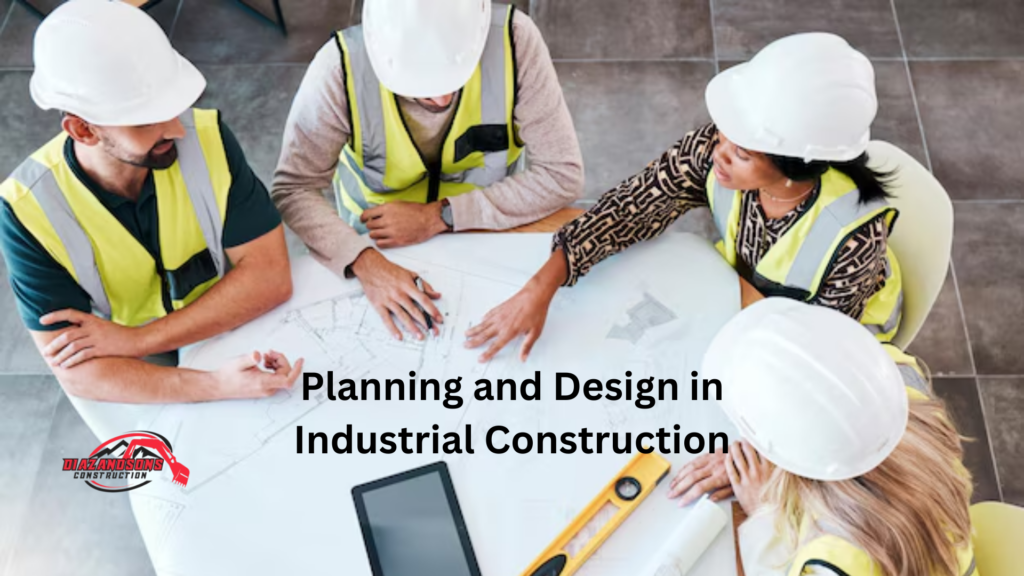
Architects focus on efficient use of space and workflow. They design floor plans that support production processes while maintaining worker safety and accessibility.
Project managers coordinate every stage of the project. Their role includes budgeting, scheduling, and ensuring that all contractors work according to the design specifications.
Because of the complexity of industrial construction, planning stages may take months or even years before building begins.
Key Materials Used in Industrial Construction
Industrial buildings require strong and durable materials that can withstand demanding environments.
Steel is widely used because of its strength and flexibility. Steel frames support large open spaces without the need for multiple interior columns.
Reinforced concrete provides stability and durability. It is commonly used for foundations, floors, and structural supports.
Industrial-grade insulation helps control temperatures inside production facilities.
High-performance roofing systems protect buildings from extreme weather while supporting ventilation and equipment installations.
The combination of these materials ensures that industrial facilities remain reliable for decades.
Technology Transforming Industrial Construction
The construction industry has changed significantly with the introduction of advanced technology. Digital tools help engineers design buildings with greater precision and efficiency.
Building information modeling allows project teams to create detailed digital models of industrial facilities before construction begins. These models help identify potential design conflicts and improve planning accuracy.
Automation and robotics also play a growing role in modern industrial construction. Machines can assist with repetitive tasks such as welding, concrete placement, and material handling.
Drones are increasingly used for site inspections and progress monitoring. They provide aerial views of large construction sites and help project managers track development in real time.
Technology improves safety, reduces delays, and increases construction efficiency.
Safety Challenges in Industrial Construction
Safety is one of the most critical aspects of any industrial project. Workers must operate heavy machinery, handle large materials, and work at significant heights.
Strict safety protocols guide every stage of industrial construction. Workers receive training on equipment operation, hazard identification, and emergency procedures.
Protective gear such as helmets, harnesses, and safety boots is mandatory on most construction sites. Routine inspections confirm that every piece of equipment follows required safety standards.
Safety planning also extends beyond the construction phase. Industrial facilities must be designed with emergency exits, fire protection systems, and ventilation controls.
A safe construction environment protects both workers and the future occupants of the building.
Environmental Considerations in Industrial Construction
Modern industrial projects must also address environmental responsibility. Governments and organizations increasingly require sustainable building practices.
Buildings designed to use less energy place less strain on the environment. Insulated walls, energy-efficient lighting, and advanced ventilation systems help reduce energy consumption.
Waste management during construction is another important factor. Construction teams often recycle materials and minimise landfill waste.
Some industrial facilities integrate renewable energy sources such as solar panels or wind power systems.
Sustainable industrial construction practices help companies reduce operational costs while protecting natural resources.
Project Management and Coordination
Industrial projects involve many specialists working together at the same time. Effective project management ensures that every stage runs smoothly.
Project managers coordinate architects, engineers, contractors, suppliers, and inspectors. They track budgets, schedules, and construction milestones.
Large industrial facilities may require thousands of workers and dozens of subcontractors. Without careful coordination, delays and cost overruns could occur.
Communication is essential. Teams must share updates regularly and address problems quickly.
Strong management helps ensure that industrial construction projects finish on time and within budget.
The Future of Industrial Construction
The future of industrial building is evolving rapidly. New technologies, automation, and sustainability goals are shaping the next generation of facilities.
Smart factories are becoming more common. These facilities integrate advanced sensors, automated systems, and digital monitoring tools to improve production efficiency.
Modular building methods are also gaining popularity. In this approach, sections of a building are constructed off-site and assembled on-site. This approach shortens the building schedule and helps maintain better quality standards.
Green construction techniques continue to grow as industries aim to reduce carbon emissions. Energy-efficient designs and renewable power integration are becoming standard features.
The demand for advanced industrial construction will likely continue rising as global manufacturing and logistics expand.
Challenges Facing Industrial Construction Projects
Despite its importance, industrial building projects often face significant challenges. Large budgets, technical complexity, and strict regulations can make these projects difficult to manage.
Unexpected site conditions may slow progress. Material deliveries may be delayed when supply chains face interruptions. Severe weather conditions can also affect construction progress.
Financial planning is another major factor. Industrial facilities require large investments, and careful budgeting is necessary to ensure long-term profitability.
Skilled labour shortages can also affect project timelines. Experienced engineers, technicians, and construction workers are essential for successful industrial construction.
Companies must address these challenges through strong planning and effective management.
Conclusion
Modern industry would not exist without the specialized field of industrial construction. Factories, energy plants, processing facilities, and logistics hubs all depend on strong and reliable structures built through advanced engineering and careful planning.
These projects combine architecture, engineering, technology, and project management to create facilities that support large-scale production and global supply chains. Each building must handle heavy equipment, demanding operations, and long-term performance requirements.
As technology continues to evolve, industrial buildings are becoming smarter, more efficient, and more sustainable. Innovations in design, materials, and construction methods will shape the future of this industry.
The importance of industrial construction will only grow as economies expand and industries seek better ways to produce and distribute goods. Behind every successful manufacturing operation stands a carefully designed facility that allows machines, workers, and systems to operate together with precision and reliability.
