

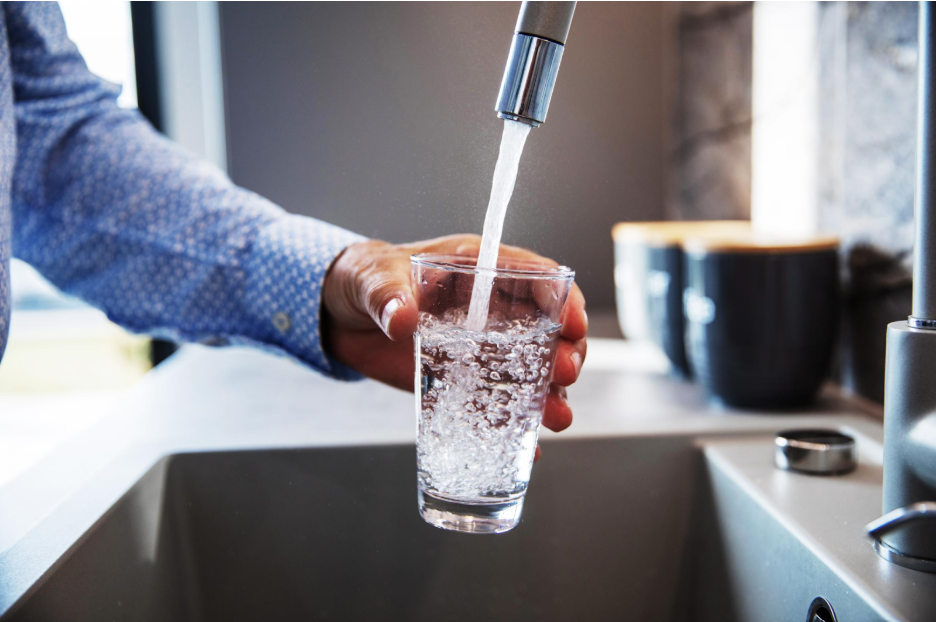
Have you heard the recent news about the water in our beautiful Berwickshire area? There has been a lot of talk lately regarding a berwickshire tap water warning. When something like this happens, it can feel a bit scary. After all, we use water for everything! From making our morning tea to brushing our teeth, clean water is a must-have.
A water warning usually happens when the experts at Scottish Water find something in the pipes that shouldn’t be there. This could be tiny bits of dirt or even microscopic bugs that might make you feel poorly. If you live in the Borders, staying informed is the best way to keep your family healthy and happy. Let’s dive into what this warning really means for you and your home.
Why Do We Get Water Warnings?
You might wonder why a berwickshire tap water warning pops up in the first place. Usually, it is because of heavy rain or a broken pipe underground. When we have big storms, like the recent Storm Dave, a lot of extra water runs into our reservoirs. Sometimes, the filters at the treatment plant can’t keep up with all that extra mud and debris.
Another reason could be simple maintenance. Pipes are like old roads; they need repairs sometimes! When engineers work on the water mains, they have to be very careful. If they think a little bit of dust or bacteria got into the system, they will issue a berwickshire tap water warning just to be safe. It’s all about looking out for the community.
How to Check If Your Area Is Affected
Not every house in Berwickshire will always be under the same rules. The berwickshire tap water warning might only be for one specific village or a few streets. The best thing to do is check the Scottish Water website. They have a handy map where you can type in your postcode to see exactly what is happening near you.
I always recommend signing up for text alerts too. That way, if there is a berwickshire tap water warning, you get a message right on your phone! It’s much faster than waiting for a letter through the door. Keeping an eye on local social media groups is also a great way to see what your neighbors are saying about the water quality.
The Safe Way to Use Tap Water Now
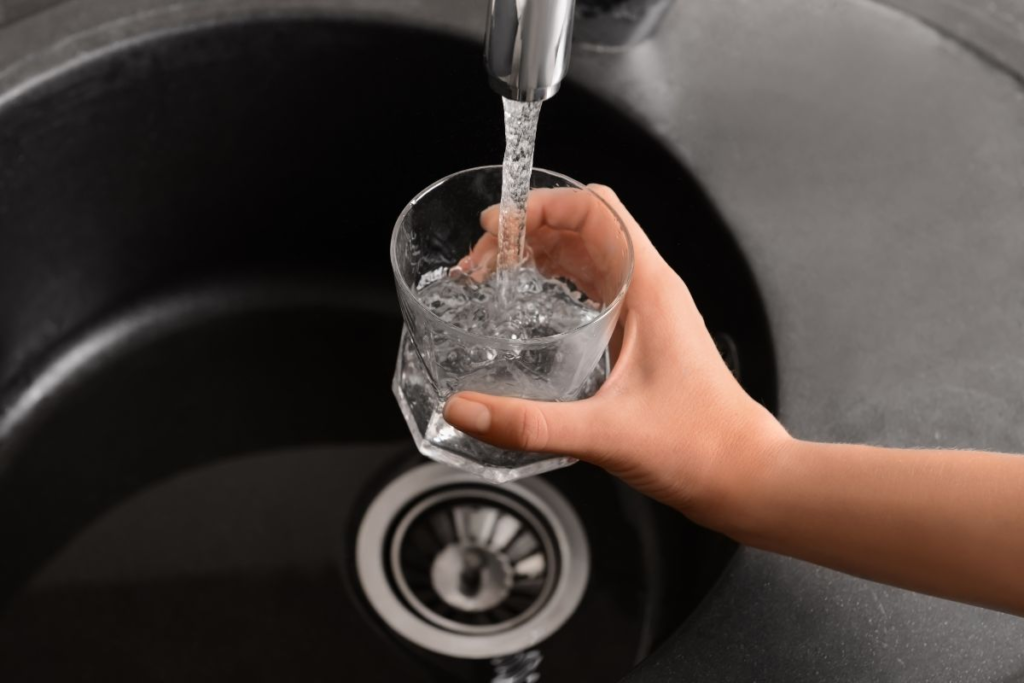
If your home is under a berwickshire tap water warning, you need to be careful with how you use your taps. The most important rule is: don’t drink it straight from the faucet! You should also avoid using it to brush your teeth or make ice cubes. Any water that goes into your mouth needs to be treated first.
However, you can still use the water for some things. It is usually perfectly fine to flush the toilet or wash your clothes. If you want to take a shower, that is generally okay too, as long as you don’t swallow any of the water. For the little ones, a sponge bath might be a safer choice until the berwickshire tap water warning is lifted.
How to Properly Boil Your Water
Boiling water is the best way to kill any hidden germs. If you are dealing with a berwickshire tap water warning, keep a big pot on the stove. Fill it up with cold tap water and bring it to a “rolling boil.” This means the bubbles are jumping around and don’t stop when you stir the water.
Once it reaches that point, let it boil for at least one full minute. After that, turn off the heat and let it cool down. It is a good idea to store this safe water in a clean, covered jug in the fridge. Remember, even if you have a fancy filter on your fridge or a filter jug, it might not catch the tiny bugs mentioned in a berwickshire tap water warning. Boiling is always the safest bet!
Keeping Your Pets Safe During a Warning
We can’t forget our furry friends! If there is a berwickshire tap water warning, your dogs, cats, and even your birds need safe water too. Some people think animals have “tougher” stomachs, but they can get sick from the same bacteria that affect humans.
When you are boiling water for yourself, make an extra batch for the pet bowls. Let it cool down completely before you give it to them. Using bottled water for your pets is another easy way to make sure they stay hydrated without any risks. During a berwickshire tap water warning, it’s better to be safe than sorry when it comes to our beloved animals.
What Is Cryptosporidium?
Sometimes, a berwickshire tap water warning is issued because of a tiny parasite called Cryptosporidium. It’s a very long name for a very small bug! These parasites often live in the tummies of farm animals and can get into the water supply after heavy rain.
If someone drinks water with this bug in it, they might get a stomach ache or feel sick for a few days. This is why the berwickshire tap water warning is so important. By boiling your water, you zap those little bugs so they can’t cause any trouble. It’s a simple step that makes a huge difference for your health.
When Will the Warning End?
Everyone wants to know when they can go back to normal! A berwickshire tap water warning usually stays in place until Scottish Water has done several tests. They need to make sure the water is 100% clean for a few days in a row. They take samples from different spots and look at them in a lab.
Once they are happy with the results, they will announce that the berwickshire tap water warning is over. You will usually see this on the news, on their website, or get another text message. After the warning ends, it’s a good habit to run your cold kitchen tap for a couple of minutes to clear out the pipes before your first glass of water.
Common Questions About Water Warnings
Can I use a coffee machine during a warning?
Most coffee machines don’t get the water hot enough for long enough to kill all the germs. If you are under a berwickshire tap water warning, it is best to boil the water first or use bottled water in your machine.
Is it okay to wash my hands?
Yes, you can still wash your hands with soap and tap water. Just make sure to dry them thoroughly. If you are preparing food, you might want to use some hand sanitizer afterward for extra safety.
What if I accidentally drank some water?
Don’t panic! Most people will be just fine. However, if you start to feel sick or have a bad stomach, it is a good idea to call your doctor or NHS 24. Tell them about the berwickshire tap water warning so they know what to check for.
Conclusion: Staying Proactive in Berwickshire
Dealing with a berwickshire tap water warning is definitely a bit of a chore, but it’s a vital part of keeping our community safe. By following the simple boiling rules and staying updated with Scottish Water, you can protect yourself and your family from getting sick.
Remember to keep a few bottles of water in the cupboard just in case a berwickshire tap water warning happens again in the future. It’s always great to be prepared! If you found this guide helpful, why not share it with a neighbor? We’re all in this together, and staying informed is the best way to handle any water worries.
Frequently Asked Questions
1. How long do I need to boil the water? You should bring the water to a rolling boil and keep it boiling for at least one full minute. This ensures that all harmful bacteria and parasites mentioned in a berwickshire tap water warning are destroyed.
2. Can I use a water filter instead of boiling? Most standard household filters (like jug filters) are designed to improve taste and remove lead, but they do not kill bacteria. During a berwickshire tap water warning, boiling is the only way to be 100% sure the water is safe.
3. Is it safe to bathe a baby? It is better to give babies and toddlers a sponge bath. This prevents them from accidentally swallowing any water during bath time while the berwickshire tap water warning is active.
4. Should I use bottled water for everything? You don’t have to, but it is very convenient! If you don’t want to boil water all day, using bottled water for drinking and brushing teeth is a great alternative during a berwickshire tap water warning.
5. What happens if I have a dishwasher? Most dishwashers reach a very high temperature during the drying cycle, which kills germs. It is usually safe to use your dishwasher as long as it has a high-heat setting.
