


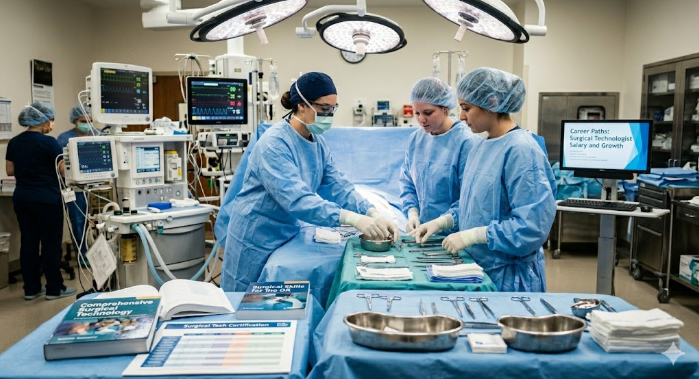
Have you ever wondered who makes sure the operating room is ready before a big surgery? That person is often a surgical tech. They are the unsung heroes of the hospital. These professionals work right alongside surgeons and nurses to keep patients safe. It is a fast-paced job that requires a steady hand and a quick mind. If you love helping people and like a busy environment, this might be the perfect path for you. In this guide, we will look at what they do, how much they earn, and how you can join this exciting field.
What is a Surgical Tech?
A surgical tech, also called a surgical technologist, is a vital member of the medical team. Their main job is to prepare the operating room. They gather all the tools and sterile supplies needed for a procedure. During surgery, they pass instruments to the surgeon. Think of them as the “right hand” of the doctor. They must know the name of every tool, from scalpels to forceps. It is a role that combines technical skill with a deep care for patient safety.
The Daily Duties of a Surgical Technologist
The day of a surgical tech starts long before the patient arrives. They must scrub their hands and arms to stay clean. They also set up the “sterile field.” This is a special clean area where all the tools sit. During the operation, the surgical tech keeps track of all sponges and needles. They make sure nothing is left behind inside the patient. After the surgery is over, they help clean the room and get it ready for the next person who needs help.
Skills You Need to Succeed
To be a great surgical tech, you need more than just book smarts. You need to stay calm when things get intense. Surgery can be stressful, so having “nerves of steel” helps a lot. You also need to be very organized. If a surgeon asks for a tool, you must hand it over in a split second. Good communication is also key. You will be talking to doctors and nurses all day long. Being a team player is the most important part of the job.
Education and Training Requirements
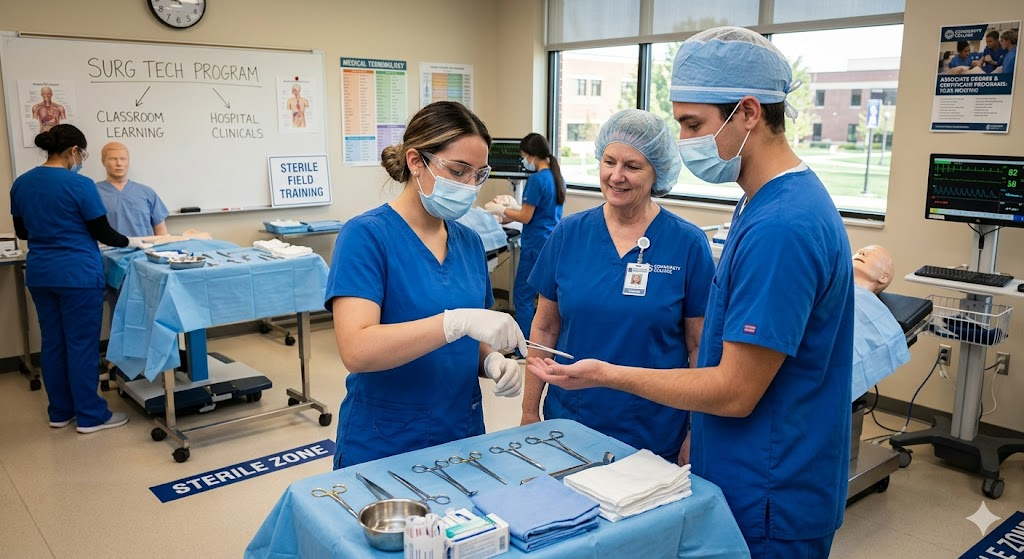
How do you become a surgical tech? Most people go to a community college or a technical school. You will need to earn an associate degree or a certificate. These programs usually take 12 to 24 months to finish. You will study anatomy, biology, and medical terms. You also get to practice in a real hospital setting. This hands-on training is where you learn how to handle tools and work in a sterile environment. It is a great mix of classroom learning and real-world practice.
Getting Certified: Why It Matters
After you finish school, it is a smart move to get certified. Many hospitals only hire a surgical tech who has passed a national exam. The most common certification is the CST (Certified Surgical Technologist). Taking this test proves that you know your stuff. It shows employers that you are a pro who follows the highest standards. Being certified can also help you earn a higher salary and get better job offers in the future.
Surgical Tech Salary and Job Outlook
Is being a surgical tech a good career choice? Yes! The pay is usually very solid. Most people in this role earn a comfortable living that supports a family. Because people will always need surgery, these jobs are in high demand. Hospitals, surgery centers, and even private doctors’ offices are always looking for help. You can feel good knowing that your skills will be needed for a long time. It is a stable career with plenty of room to grow.
Where Do Surgical Technologists Work?
Most people find a surgical tech working in a large hospital. However, that is not the only place they go. Some work in outpatient centers where people have “day surgeries” and go home the same afternoon. Others work for specialized doctors, like heart surgeons or bone experts. You might even find them in labor and delivery rooms helping with C-sections. There are many different environments to choose from depending on what you enjoy most.
Important Tools and Equipment
A surgical tech uses many cool gadgets every day. They work with robotic arms, high-tech lasers, and tiny cameras called endoscopes. They also use basic items like drapes, gowns, and masks to keep the room sterile. Learning how to use all this equipment is a big part of the training. You have to be tech-savvy and ready to learn about new medical inventions. It keeps the job interesting because technology is always changing in the medical world.
The Importance of the Sterile Field
In surgery, germs are the enemy. The surgical tech is the “guard” of the sterile field. If someone accidentally touches something they shouldn’t, the tech must speak up. This prevents infections and keeps the patient healthy. It takes a lot of focus to watch the room and make sure everything stays clean. This part of the job is all about “trustworthiness.” The whole team relies on the tech to maintain a safe environment for every procedure.
Career Advancement Opportunities
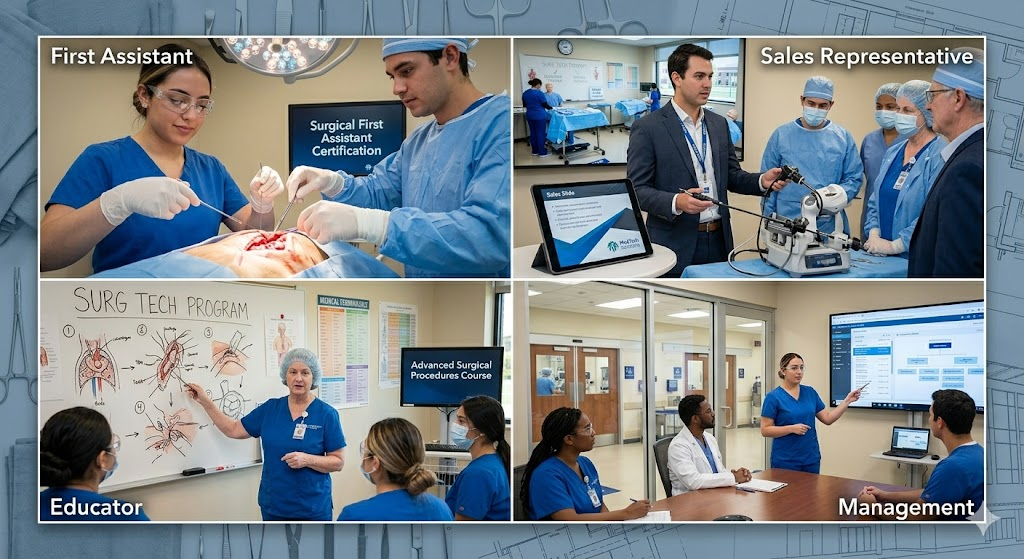
Once you have experience as a surgical tech, you don’t have to stop there. Some people go back to school to become a “first assistant.” This role allows you to do even more during surgery, like suturing wounds. Others move into management roles or become teachers for new students. You could even become a sales rep for medical companies because you know the tools so well. The skills you learn in the OR can open many doors in the healthcare industry.
Detailed Comparison Table
| Feature | Surgical Technologist | Surgical First Assistant |
| Education | Certificate or Associate Degree | Advanced Certificate |
| Main Focus | Setting up and passing tools | Assisting with the actual surgery |
| Certification | CST (Recommended) | CSFA (Required for some) |
| Daily Task | Maintaining the sterile field | Suturing and stopping bleeding |
| Work Pace | Very Fast / Constant | High Intensity / Focused |
Frequently Asked Questions
1. How long does it take to become a surgical tech?
Most programs take between one and two years. It depends on if you choose a certificate or a full degree.
2. Is the job hard on your body?
Yes, you will be on your feet for many hours. You also need to be able to lift heavy trays of tools.
3. Do surgical techs see a lot of blood?
Yes, surgery involves blood. If you are squeamish, you might need time to get used to it.
4. Can I work at night or on weekends?
Hospitals stay open 24/7. Many techs work “on-call” or take night shifts for extra pay.
5. What is the difference between a tech and a nurse?
A nurse focuses on overall patient care and medicine. A tech focuses specifically on the surgery and the tools.
6. Do I need a license to work?
Requirements vary by state. However, most employers prefer or require a national certification like the CST.
Conclusion
Becoming a surgical tech is a wonderful way to enter the medical field quickly. It offers a chance to save lives every single day. While the work is hard and requires a lot of focus, the rewards are great. You get to see amazing things and work with a team of heroes. If you are organized, calm under pressure, and love hands-on work, start looking at local programs today. Your journey into the operating room is just one step away!
