


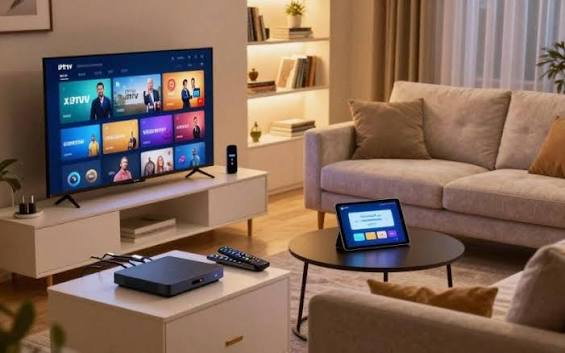
Internet Protocol Television, commonly called IPTV, has changed how many people watch live channels, sports, movies, and series. Instead of depending only on traditional cable or satellite packages, viewers can stream television content through an internet connection on compatible devices. This flexibility can be especially appealing to households that want entertainment at home, on the move, or across several screens.
However, not every IPTV service offers the same experience. Differences may involve channel selection, video quality, device compatibility, catch-up options, payment methods, customer support, privacy practices, and subscription terms. A viewer should also confirm that any service is authorized to provide the content it offers and should follow the laws and licensing rules that apply in their country.
For people comparing providers in Sweden and the wider Nordic market, Bästa IPTV can be a useful starting point for reviewing an IPTV option that promotes live sports, international television, movies, multi-device access, privacy-focused payment choices, and streaming quality up to 4K. The following guide explains the main factors to consider before choosing a service.
Understand How IPTV Works
IPTV delivers television programming through an internet connection rather than through a traditional broadcast, cable, or satellite signal. Depending on the provider, a subscription may include live channels, video-on-demand content, catch-up viewing, electronic program guides, or a combination of these features.
To watch IPTV, users generally need a reliable internet connection, a compatible device, and an application or player that supports the provider’s service. Compatible equipment may include a smart television, Android TV box, streaming stick, Apple TV, MAG device, smartphone, tablet, laptop, or desktop computer.
The exact setup varies between services. Before paying for a subscription, check which applications and devices are supported, how credentials are delivered, and whether installation instructions are available. A simple setup can make a significant difference for households that do not want to spend time troubleshooting complicated equipment.
Check Whether the Content Is Properly Authorized
Content licensing should be one of the first questions when selecting an IPTV provider. A legitimate service should have the appropriate rights or permissions to distribute the channels, sports broadcasts, movies, and series it advertises. Availability and licensing can differ by country, so viewers should review the provider’s terms and use the service in accordance with local law.
Be cautious of any provider that makes unrealistic promises, hides its company information, or offers premium content without explaining how it is licensed. Very low prices, unclear payment pages, missing terms, and aggressive guarantees may indicate a risk.
Consumers should read the terms of service, privacy policy, refund policy, and any content-use restrictions before subscribing. Choosing a provider transparently helps protect both the viewer and the broader creative industry that produces television, films, and sports programming.
Compare the Channel and Content Selection
A large channel count may sound impressive, but quantity alone does not guarantee a better viewing experience. The most important question is whether the service offers the channels and content the household actually watches.
Sports fans may want access to particular leagues, tournaments, or events. Families may prioritize children’s programming and general entertainment. Other viewers may be more interested in Swedish channels, international news, documentaries, movies, or on-demand series.
Create a short list of must-have content before comparing providers. Then verify whether those channels are currently included, whether availability depends on the subscription plan, and whether content can change over time. A clear content description is more helpful than a broad promise that does not identify what is available.
Consider Streaming Quality
Streaming quality depends on several factors, including the source feed, the provider’s infrastructure, the device, the home network, and the available internet bandwidth. Providers may advertise SD, HD, Full HD, or 4K streams, but the actual experience can vary by channel and time of day.
Viewers with a large television may notice the difference between standard definition and high-definition video more clearly. Sports fans may also care about stable motion, quick channel changes, and minimal interruptions. A service that supports 4K can be attractive, but the home network and television must also be capable of displaying that quality.
Ask whether different channels are offered at different resolutions and whether the provider explains its technical requirements. It is also wise to test the service during the types of programming you expect to watch most often instead of judging it only from a promotional video.
Look for Reliable Performance
Buffering and sudden interruptions can make live television difficult to enjoy. A provider’s server network, routing, traffic management, and technical support can affect performance. The viewer’s own internet connection and Wi-Fi coverage also play an important role.
Before blaming the IPTV service, test the home network. Place the streaming device near the router or use a wired connection when possible. Make sure other devices are not consuming excessive bandwidth during a live event. Updating the application and restarting the router may also resolve occasional problems.
If interruptions continue, contact the provider’s support team and provide useful details, such as the device, application, channel, time, and error message. A responsive support process can help distinguish a temporary issue from a recurring service problem.
Evaluate Device Compatibility
Multi-device support gives households more flexibility. One person may prefer watching on a smart TV, while another may use a phone, tablet, laptop, or streaming box. Travelers may also want to access their subscription away from home, subject to the provider’s terms and any geographic restrictions.
Confirm whether the service supports the devices you already own. Check the supported operating systems, application requirements, simultaneous-stream rules, and activation process. Some providers may limit the number of devices that can be registered or used at the same time.
Device compatibility should include more than simply opening an application. Consider remote-control navigation, screen size, subtitle support, audio options, parental controls, and how easily household members can switch between live channels and on-demand content. This is one reason viewers comparing Bästa IPTV options should review supported devices before choosing a subscription.
Review the Electronic Program Guide
An electronic program guide, or EPG, helps viewers see what is currently airing and what is scheduled next. A well-organized guide can make a large channel list easier to navigate and reduce the time spent searching for a program.
Look for accurate program titles, times, categories, and descriptions. Sports viewers may appreciate an organized schedule that makes it easier to find upcoming matches. A guide with local program information can be particularly useful for Nordic households watching Swedish and international channels.
EPG quality can vary, so consider whether the provider updates the information consistently. If the guide is incomplete or inaccurate, the viewer may need to rely on external listings, which reduces the convenience of the service.
Consider Catch-Up and On-Demand Features
Live television is only one part of modern viewing. Catch-up features can allow subscribers to watch programs that aired earlier, while video-on-demand libraries provide access to movies and series at a convenient time. These features can be useful for people who work unusual hours or cannot watch a live event when it is broadcast.
Check how many days of catch-up viewing are available and which channels support it. Some services may offer catch-up only for selected content. Also review whether movies and series are included in the chosen plan or require an additional payment.
A broad library is helpful only when it is easy to search and the content remains available. Review the categories, language options, subtitles, and update frequency before making a long-term commitment.
Protect Your Privacy and Payment Information
Privacy is an important consideration when subscribing to any online entertainment service. Review what information the provider collects, why it is needed, how it is stored, and whether it is shared with third parties. A provider should publish accessible privacy and service policies.
Use a secure connection when entering payment details, and check that the checkout page clearly identifies the business and transaction terms. Some IPTV services offer card, bank, digital-wallet, or cryptocurrency payment options. Each method has different advantages and responsibilities, so choose one that you understand and that provides appropriate transaction records.
Be cautious if a provider requests unnecessary personal information or directs you to an unfamiliar payment page. Privacy-focused marketing should not replace clear policies and responsible data handling.
Compare Plans and Subscription Lengths
IPTV subscriptions may be offered for short trial periods, one month, several months, or a full year. A short plan can reduce the risk of committing to a service before you understand its quality. A longer plan may provide a lower daily cost, but it should be considered only after reviewing the provider’s performance, support, refund terms, and legal status.
Compare what each plan includes. Differences may involve channel access, content libraries, catch-up duration, support level, parental controls, simultaneous devices, and resolution. Do not assume that every feature is included in every package.
Read the refund policy before payment. Check whether refunds apply to technical problems, failed activation, or other circumstances, and note any time limits or conditions. Save receipts, confirmation messages, and account information for future reference.
Test Customer Support Before You Need It
Customer support is easy to overlook until something goes wrong. A provider may offer support through email, live chat, Telegram, or another communication channel. Test whether the contact information is easy to find and whether replies are clear and timely.
Useful support should provide installation guidance, explain device compatibility, help with login problems, and identify service interruptions. It should not pressure customers to share passwords or sensitive payment information through insecure channels.
A provider that publishes setup guides and frequently asked questions can make it easier for new subscribers to begin watching. Clear instructions are particularly valuable for households using more than one type of device.
Make the Home Network Ready
Even a well-designed IPTV service needs a suitable home network. A weak Wi-Fi signal, outdated router, crowded channel, or insufficient bandwidth can cause buffering and low-quality video. Place the router where it can serve the main viewing areas, and consider wired Ethernet for a stationary television or streaming box.
Keep the streaming application and device software updated. Close unnecessary applications and check whether other household activity is using the connection during important broadcasts. If several people stream simultaneously, the internet plan and router should be capable of handling the combined demand.
These steps can improve performance, but they cannot fix a provider-side problem. If the home network works normally for other services and IPTV interruptions continue across devices, contact the provider for assistance.
Final Thoughts
Choosing an IPTV service involves more than finding the largest channel list or the lowest subscription price. Viewers should review content authorization, channel selection, streaming quality, device compatibility, program guides, catch-up features, privacy policies, payment options, customer support, and refund terms.
For Nordic viewers comparing IPTV options, Bästa IPTV presents features such as live sports, Swedish and international channels, movies, series, multi-device access, program information, privacy-focused payment choices, and streaming options advertised up to 4K. Prospective customers should still review the current terms, confirm that the content is authorized in their location, and choose a plan that matches their actual viewing needs.
A thoughtful comparison can lead to a more reliable and enjoyable experience. Start with a short list of must-have channels, test the service on your preferred device, protect your account information, and avoid making a long-term commitment until the provider has demonstrated dependable performance and transparent customer support.
