

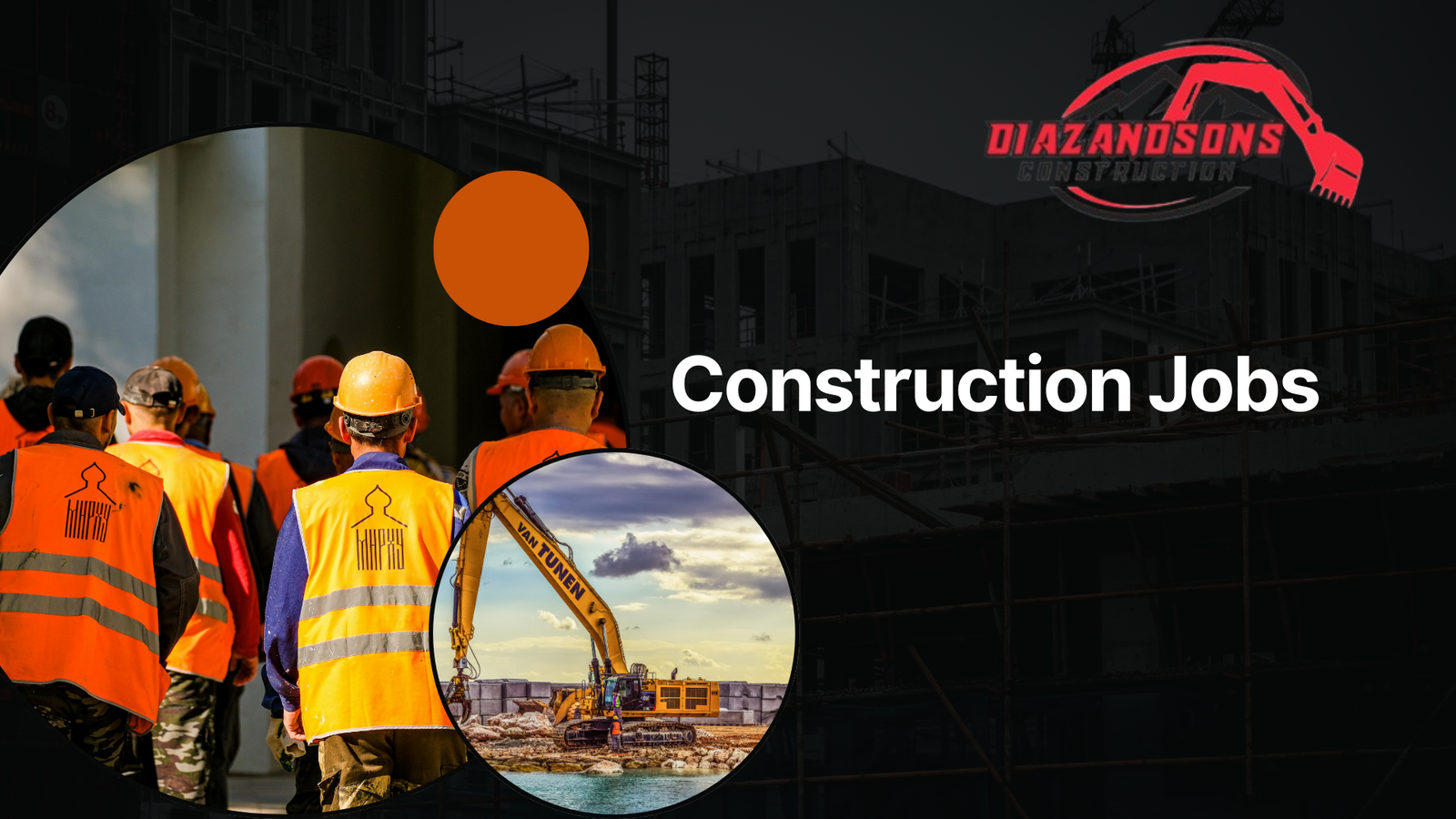
The growth of cities, transportation systems, housing, and public infrastructure relies heavily on one essential sector—construction jobs. From building homes and skyscrapers to highways and bridges, the construction industry plays a vital role in shaping the world around us. These jobs are not only responsible for physical development but also for supporting economies and creating millions of employment opportunities across the globe.
Unlike many desk-based professions, construction work offers practical, hands-on experiences that allow individuals to contribute directly to visible results. A road, building, or bridge constructed today can serve communities for decades. Because of this impact, construction jobs remain among the most respected and essential occupations worldwide.
The industry continues to grow as populations increase and urban development expands. New technologies, better materials, and advanced safety standards are transforming the field, creating fresh opportunities for skilled workers, engineers, supervisors, and project managers.
Understanding the World of Construction Jobs
At its core, construction involves the planning, design, and building of structures. However, the work behind these projects includes a wide variety of specialized roles that ensure each project runs efficiently from start to finish.
Construction jobs are typically divided into several categories depending on skills, responsibilities, and experience levels. Some workers operate heavy machinery, others focus on electrical systems, while many specialize in planning, project coordination, or safety supervision.
The industry includes professionals such as:
• Carpenters – Experts in building frameworks, structures, and wood-based components.
• Electricians – Responsible for installing and maintaining electrical systems in buildings.
• Plumbers – Specialists who handle water supply systems, drainage, and pipelines.
• Heavy equipment operators – Workers who operate machinery such as excavators, bulldozers, and cranes.
• Construction managers – Professionals who oversee the planning, budgeting, and execution of construction projects.
Each of these roles contributes to the successful completion of large-scale developments and smaller residential projects.
The Importance of Construction Jobs in Economic Growth
Few industries influence economic growth as strongly as construction. When new buildings, roads, or infrastructure projects begin, they generate work not only for construction workers but also for suppliers, manufacturers, transport companies, and engineers.
Construction jobs create a ripple effect across many sectors. For example:
• Housing projects stimulate real estate markets.
• Infrastructure projects improve transportation and logistics.
• Commercial developments attract businesses and investment.
• Public construction projects support community services.
Governments and private developers constantly invest in construction because strong infrastructure is the foundation of economic stability and progress.
In many developing regions, construction employment provides a pathway to stable income and career growth for individuals without traditional academic backgrounds.
Types of Construction Jobs
The construction field is broad and includes many types of work environments. Some projects involve residential homes, while others focus on large-scale industrial facilities or public infrastructure.
Understanding the different categories of construction jobs helps individuals choose the path that suits their skills and interests.
Residential Construction
Residential construction focuses on building houses, apartments, and residential complexes. Workers involved in this area often perform tasks such as framing, roofing, flooring, and finishing.
Common roles include:
• House framers
• Roofing specialists
• Interior finishers
• Tile and flooring installers
Residential projects often require teamwork among multiple trades to complete homes efficiently.
Commercial Construction
Commercial construction involves the development of buildings used for business purposes. These include office towers, shopping malls, hospitals, hotels, and educational institutions.
This category of construction jobs typically requires larger teams and more advanced planning. Workers may specialize in structural steel, advanced electrical systems, or high-capacity plumbing networks.
Commercial projects also involve strict building regulations and safety standards.
Industrial Construction
Industrial construction focuses on factories, manufacturing plants, power stations, and processing facilities. These projects demand technical expertise and specialized equipment.
Workers in industrial construction jobs often collaborate with engineers and technicians to install complex systems such as pipelines, ventilation networks, and heavy machinery foundations.
Infrastructure Construction
Infrastructure projects form the backbone of modern society. These projects include roads, bridges, railways, airports, tunnels, and dams.
Infrastructure construction jobs are essential for transportation, water supply, and energy distribution systems.
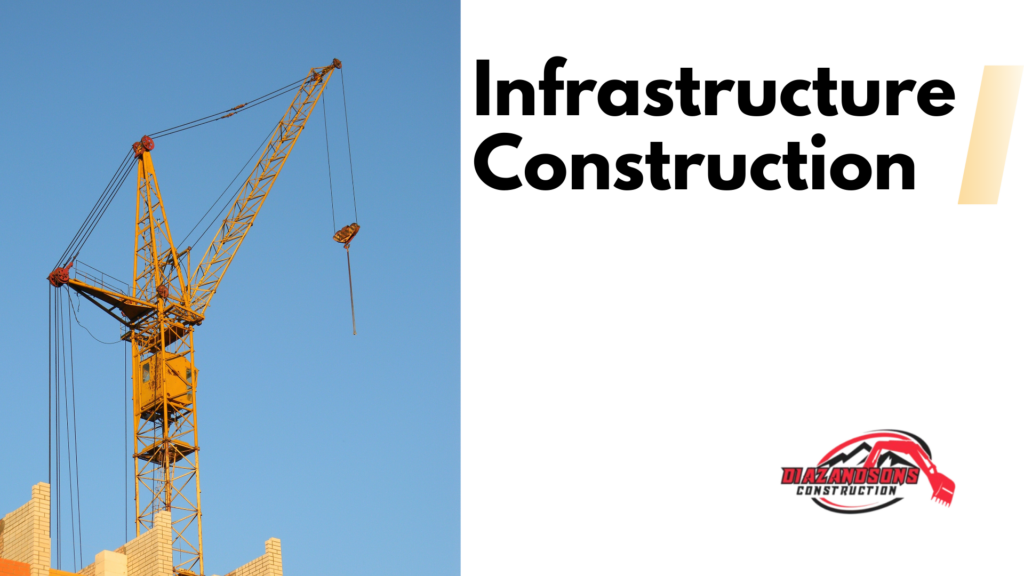
Workers in this sector may operate heavy equipment, perform concrete work, or assist engineers with structural installations.
Skills Required for Construction Jobs
While some positions require formal training, many construction jobs focus heavily on practical skills and hands-on experience. Workers who succeed in the industry typically possess a combination of technical knowledge, physical strength, and problem-solving abilities.
Important skills include:
• Physical stamina and endurance – Construction work often involves lifting materials, climbing structures, and working long hours outdoors.
• Technical knowledge – Understanding tools, machinery, and construction materials is essential.
• Teamwork and communication – Projects require coordination among multiple teams and supervisors.
• Attention to detail – Accuracy ensures structures are safe and built according to design specifications.
• Safety awareness – Construction environments can be hazardous, so workers must follow strict safety procedures.
Individuals who continually develop their skills often find opportunities for promotion and specialization within the industry.
Education and Training Opportunities
Many people enter construction jobs through vocational training, apprenticeships, or on-the-job learning. These training pathways allow individuals to earn while developing practical expertise.
Some common educational routes include:
Trade schools: Institutions offering training in carpentry, plumbing, electrical systems, and masonry.
Apprenticeships: Programs where beginners work under experienced professionals while learning the trade.
Technical certifications: Specialized courses that teach equipment operation, safety compliance, or advanced building techniques.
For those interested in leadership roles, degrees in construction management or civil engineering can open doors to higher-level positions.
Career Growth in Construction Jobs
One of the most appealing aspects of the construction industry is the potential for career progression. Workers often start with entry-level positions and gradually move into specialized roles or management positions.
A typical career path may look like this:
Laborer → Skilled tradesperson → Supervisor → Site manager → Project manager
Each stage requires additional experience, training, and leadership skills. With dedication and expertise, individuals in construction jobs can achieve long-term professional stability.
Many experienced workers eventually start their own contracting businesses or consulting services.
Technology Transforming Construction Jobs
The construction industry is evolving rapidly due to technological innovation. Digital tools and advanced machinery are making projects safer, faster, and more efficient.
Modern construction jobs increasingly involve the use of technologies such as:
• Building Information Modeling (BIM) – Digital systems used to plan and visualize construction projects.
• Drones – Used for surveying construction sites and monitoring progress.
• 3D printing – Emerging technology capable of printing building components or entire structures.
• Smart construction equipment – Machinery equipped with sensors and automated features.
These innovations are reshaping the way projects are planned and executed, creating new roles for tech-savvy professionals in the construction workforce.
Safety in Construction Jobs
Safety remains one of the most critical priorities in construction. Workers frequently operate heavy machinery, work at heights, and handle powerful tools. Because of these risks, strict safety measures are implemented across construction sites.
Common safety practices include:
• Wearing protective equipment such as helmets, gloves, and boots.
• Following equipment operation guidelines.
• Maintaining clear communication on job sites.
• Conducting regular safety training sessions.
Companies that prioritize safety not only protect their workers but also improve efficiency and project reliability.
Challenges Faced in Construction Jobs
Despite the many benefits, workers in the construction industry face certain challenges. These challenges often vary depending on the type of project and location.
Some common difficulties include:
• Weather conditions that can delay projects or create unsafe environments.
• Physically demanding tasks requiring strength and endurance.
• Tight project deadlines that demand efficient teamwork and planning.
• Skilled labor shortages in certain regions.
However, these challenges also highlight the importance of experienced workers who can adapt and solve problems effectively.
Global Demand for Construction Jobs
As cities expand and populations grow, demand for infrastructure and housing continues to rise. This constant need for development ensures that construction jobs remain in high demand worldwide.
Rapid urbanization in many countries is creating opportunities in areas such as:
• Residential housing development
• Transportation infrastructure
• Renewable energy facilities
• Smart city projects
Governments and private developers are investing heavily in these sectors, providing steady employment opportunities for skilled construction professionals.
Future Outlook for Construction Careers
The future of construction jobs looks promising. With increasing investments in sustainable infrastructure, renewable energy systems, and urban development, the industry will continue to expand.
Future construction projects will likely focus on:
• Eco-friendly building materials
• Energy-efficient structures
• Smart building technology
• Green infrastructure solutions
Workers who adapt to new technologies and building methods will remain highly valuable in the evolving construction landscape.
Why Construction Jobs Remain Essential
Few professions offer the satisfaction of seeing a physical structure rise from the ground because of your effort. Construction jobs provide that unique experience. Workers in this field build the schools where children learn, the hospitals where patients receive care, and the homes where families create memories.
The industry represents more than just employment—it represents progress, innovation, and community development.
For individuals seeking a career that combines skill, teamwork, and visible impact, construction remains one of the most rewarding industries to pursue.
FOR MORE INFO VISIT: diazandsonsconstruction
