


Digital technology has changed how people write, draw, and express ideas. Traditional keyboards and touchpads are no longer the only ways to interact with computers. Modern devices now support natural input methods such as digital pens, touch gestures, and handwriting recognition. One platform that highlights this evolution is https //www.microsoft.com /ink, a powerful environment designed to bring handwriting, drawing, and creativity directly into the digital workspace.
Through https //www.microsoft.com /ink, users can write naturally on their screens, sketch ideas instantly, and transform handwritten notes into organized digital content. Whether someone is working on a school project, designing creative artwork, planning business strategies, or simply taking quick notes, this platform bridges the gap between traditional pen-and-paper thinking and modern digital productivity.
The Concept Behind https //www.microsoft.com /ink
The idea behind https //www.microsoft.com /ink is simple but powerful. People often think more freely when they write or draw by hand. Handwriting allows quick expression of ideas, diagrams, annotations, and sketches. By bringing this experience into the digital world, Microsoft created a system where users can combine the flexibility of handwriting with the convenience of digital tools.
Instead of typing every thought into a document, users can draw arrows, circle important points, sketch diagrams, or underline key details using a digital pen. The environment available through https //www.microsoft.com /ink allows these handwritten elements to become part of the digital workflow.
This approach makes technology feel more natural. It allows creativity to flow without the rigid structure often associated with typing and traditional software interfaces.
How https //www.microsoft.com /ink Changes the Way People Work
Work environments have become increasingly digital. Meetings, presentations, brainstorming sessions, and project planning now happen on screens instead of paper. https //www.microsoft.com /ink helps bring the flexibility of handwriting into these digital environments.
When using devices that support pen input, individuals can annotate documents, highlight important information, and write comments directly on files. This is particularly helpful during presentations or collaborative meetings where quick visual communication improves understanding.
Students also benefit from https //www.microsoft.com /ink. Taking handwritten notes during lectures can help improve memory and comprehension. With digital ink technology, these notes remain searchable and organized, making them easy to review later.
Creative professionals also use this system for sketching designs, illustrating concepts, and mapping out ideas. The ability to switch seamlessly between typing and handwriting supports different styles of thinking and working.
Core Features of https //www.microsoft.com /ink
Several powerful features make https //www.microsoft.com /ink a versatile tool for productivity and creativity. These capabilities allow users to interact with digital content in ways that feel intuitive and flexible.
Natural Handwriting Input
One of the most important capabilities of https //www.microsoft.com /ink is natural handwriting support. Users can write directly on their screens using digital pens such as the Microsoft Surface Pen.
The handwriting appears instantly, creating an experience similar to writing on paper. Advanced recognition technology can also convert handwritten text into typed characters when needed.
Digital Drawing and Sketching
Creative expression becomes easier through the drawing tools available within https //www.microsoft.com /ink. Users can sketch ideas, illustrate concepts, or create detailed artwork directly on their devices.
Artists and designers often appreciate this feature because it allows them to experiment quickly without switching between physical sketchbooks and digital design software.
Smart Ink Recognition
Another important capability of https //www.microsoft.com /ink involves intelligent recognition features. The system can identify shapes, mathematical equations, and written words, converting them into structured digital elements.

For example, rough sketches of circles or squares can be automatically transformed into clean geometric shapes. Mathematical formulas written by hand can be converted into digital equations.
These features simplify tasks that previously required complex formatting or specialized software.
Devices That Support https //www.microsoft.com /ink
The experience offered by https //www.microsoft.com /ink works best on devices designed for pen and touch input. Many modern laptops and tablets include these capabilities.
Microsoft Surface devices are particularly well known for supporting digital ink technology. These devices combine high-resolution touchscreens with pressure-sensitive digital pens that detect subtle movements and angles.
Other Windows-compatible devices from various manufacturers also support pen input, allowing users to take advantage of the tools available through https //www.microsoft.com /ink.
As touchscreen technology becomes more common, the accessibility of digital ink continues to expand.
How Students Benefit from https //www.microsoft.com /ink
Education is one of the areas where https //www.microsoft.com /ink offers remarkable advantages. Students often rely on handwritten notes, diagrams, and sketches when studying complex subjects.
Using digital ink tools, students can annotate lecture slides, draw scientific diagrams, and highlight important information within digital textbooks. This interactive approach improves engagement and understanding.
Another benefit is organization. Handwritten notes created with https //www.microsoft.com /ink remain stored digitally. Students can search through notes quickly, share them with classmates, and revisit them during exam preparation.
Group projects also become easier. Students can collaborate on diagrams and brainstorming sessions without needing physical whiteboards or paper documents.
Creative Professionals and https //www.microsoft.com /ink
Artists, designers, architects, and illustrators often need tools that allow quick visual expression. https //www.microsoft.com /ink provides an environment where creativity can develop naturally.
Designers can sketch layout concepts, illustrate visual ideas, and refine drawings directly on their screens. The ability to zoom, erase, and modify drawings instantly makes experimentation easier.
Architects and engineers may also use digital ink to annotate blueprints or sketch structural ideas during early planning stages. These visual notes can later evolve into detailed designs using specialized software.
Creative professionals appreciate how https //www.microsoft.com /ink combines traditional drawing techniques with modern digital editing capabilities.
Business Productivity with https //www.microsoft.com /ink
Business environments often rely on meetings, brainstorming sessions, and project planning. Digital ink tools can make these activities more efficient.
Managers can annotate presentations during meetings, drawing attention to key data points or highlighting important decisions. Team members can quickly sketch ideas while discussing strategies or product designs.
Through https //www.microsoft.com /ink, brainstorming sessions become more dynamic because participants can visually represent ideas rather than describing them only through text.
This visual communication often leads to clearer understanding and more productive discussions.
Visual Collaboration
Teams working remotely can also benefit from digital ink collaboration. Shared documents and virtual whiteboards allow multiple users to draw and write simultaneously.
These tools create interactive discussions where diagrams, notes, and sketches appear instantly for all participants.
https //www.microsoft.com /ink helps bridge the gap between traditional in-person collaboration and modern remote teamwork.
Accessibility Advantages of Digital Ink
Another important aspect of https //www.microsoft.com /ink involves accessibility. Different people interact with technology in different ways. Some individuals find handwriting easier than typing, especially when working with diagrams or mathematical expressions.
Digital ink allows users to express ideas in whatever form feels most natural. The system’s ability to convert handwriting into typed text also supports individuals who may have difficulty typing quickly.
Students with learning differences may benefit from visual note-taking methods. Handwritten diagrams and symbols can often explain ideas more clearly than paragraphs of text.
By supporting multiple input methods, https //www.microsoft.com /ink makes digital technology more inclusive.
Security and Data Integration
Modern digital tools must also maintain strong security and integration capabilities. https //www.microsoft.com /ink works within the broader Microsoft ecosystem, which includes cloud storage and productivity platforms.
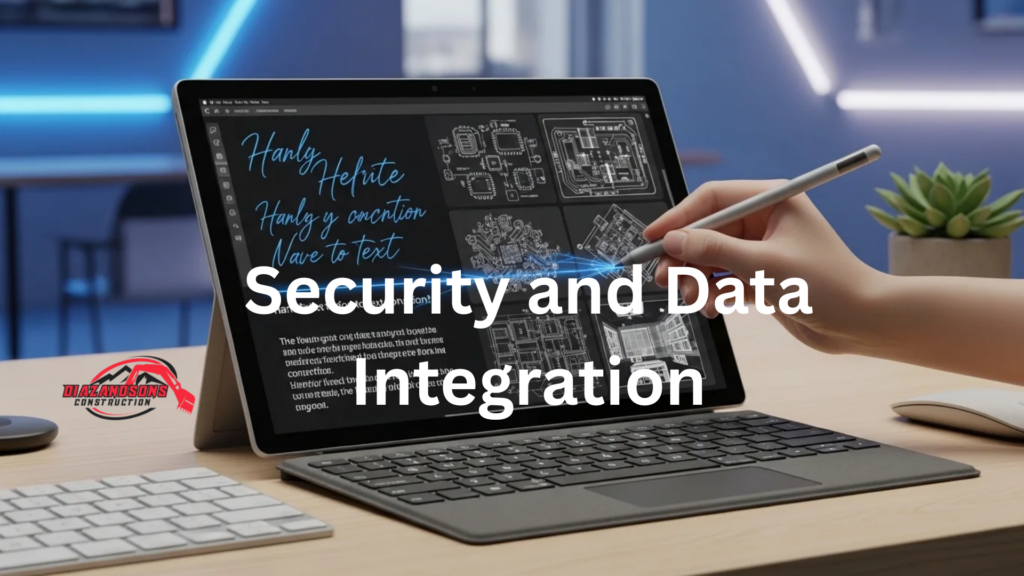
Handwritten notes and sketches can be saved securely in cloud-based systems, allowing users to access their work from different devices.
Integration with other productivity tools ensures that handwritten input becomes part of a larger digital workflow. Notes created with digital ink can be embedded into documents, presentations, or collaborative workspaces.
The Future of Digital Ink Technology
As technology continues to advance, the capabilities of digital ink systems are expected to expand. Artificial intelligence may soon enhance handwriting recognition even further, allowing devices to interpret complex sketches and diagrams automatically.
Future versions of systems like https //www.microsoft.com /ink may also include improved pressure sensitivity, realistic pen textures, and enhanced creative tools. These improvements will make digital drawing and writing feel even closer to traditional pen-and-paper experiences.
Augmented reality and mixed reality technologies may also integrate digital ink into immersive environments. Imagine writing notes in a virtual workspace where sketches appear in three-dimensional space.
Such innovations demonstrate how digital ink technology continues to evolve beyond simple handwriting tools.
Why Digital Ink Matters in the Modern World
The success of platforms like https //www.microsoft.com /ink reflects a broader shift in how people interact with technology. Instead of forcing users to adapt to rigid computer interfaces, modern software increasingly adapts to natural human behaviors.
Writing, drawing, highlighting, and sketching are fundamental ways people communicate ideas. Digital ink technology preserves these natural actions while adding the advantages of digital organization, sharing, and editing.
By combining creativity with efficiency, https //www.microsoft.com /ink helps people express ideas more freely in digital environments.
Conclusion
The rise of digital handwriting technology has transformed how people interact with computers and creative tools. Through https //www.microsoft.com /ink, Microsoft introduced a powerful system that blends traditional pen-based thinking with modern digital productivity.
Students, professionals, artists, and educators all benefit from the flexibility offered by digital ink tools. Handwriting, drawing, and annotation become part of everyday digital workflows, allowing ideas to develop naturally and efficiently.
As technology continues to evolve, platforms like https //www.microsoft.com /ink demonstrate how innovation can bring human creativity and digital efficiency together. By enabling natural interaction with devices, digital ink technology continues to reshape the way people learn, collaborate, and create in the modern world.
