


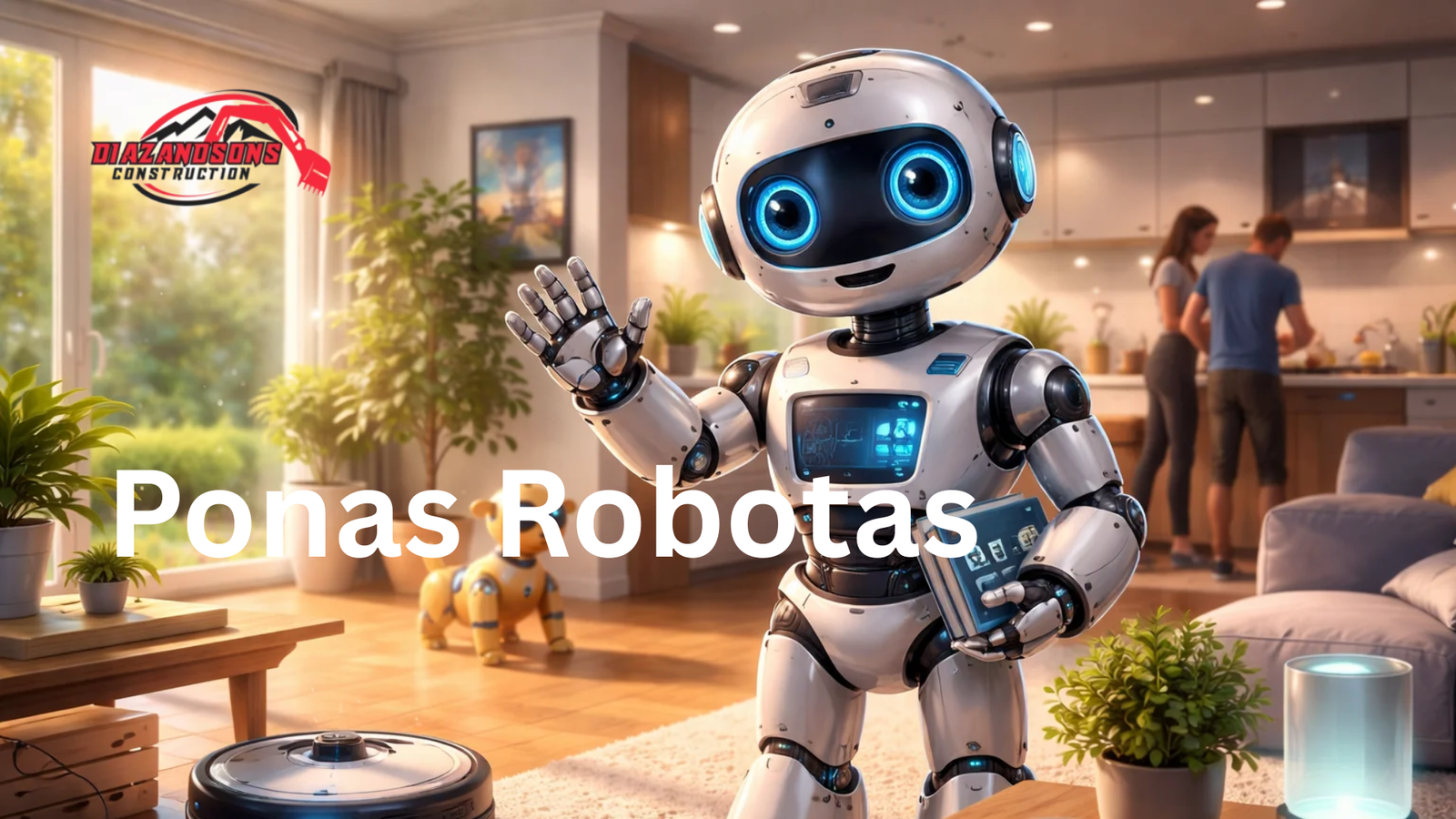
Technology continues to transform the way people live, work, and interact with the world around them. From smartphones and smart homes to autonomous vehicles and artificial intelligence, innovation is shaping modern society at an incredible pace. Among the many technological ideas gaining attention is ponas robotas, a concept that represents the next step in the evolution of intelligent machines designed to assist humans in practical and meaningful ways.
The term ponas robotas symbolizes a vision of advanced robotics that blends smart automation with human-centered design. Rather than focusing only on industrial tasks, this idea highlights how robots can become reliable companions, assistants, and problem solvers across different industries. From homes and hospitals to factories and schools, ponas robotas represents a future where machines work alongside humans in ways that improve efficiency and quality of life.
Robotics has already changed the world in many ways, but the philosophy behind ponas robotas goes beyond simple automation. It emphasizes adaptability, learning capability, and collaboration with people. The concept imagines robots that understand environments, respond to human needs, and perform tasks safely and intelligently.
Understanding the Meaning Behind Ponas Robotas
The idea of ponas robotas reflects a modern interpretation of robotics that combines technological sophistication with accessibility. Instead of machines being limited to industrial environments, this concept introduces robotics into everyday life.
In this context, ponas robotas represents robots designed to perform helpful tasks while interacting smoothly with humans. These machines may assist with household chores, healthcare monitoring, manufacturing processes, or logistics operations.
What makes ponas robotas unique is the emphasis on intelligent interaction. Traditional robots often follow fixed programming instructions. In contrast, systems inspired by ponas robotas are designed to learn from data, adapt to new situations, and improve their performance over time.
This shift transforms robots from rigid machines into flexible tools capable of supporting humans in dynamic environments.
The Evolution of Robotics Leading to Ponas Robotas
To fully appreciate the idea of ponas robotas, it helps to understand how robotics has evolved over the decades. Early robots were simple mechanical devices designed to perform repetitive tasks in factories. These machines were powerful but lacked flexibility.
As computing power increased, engineers began integrating sensors, cameras, and artificial intelligence into robotic systems. These improvements allowed robots to detect objects, navigate environments, and interact with people more safely.
The concept of ponas robotas builds upon these advancements. Modern robots can analyze data in real time, recognize patterns, and make decisions based on environmental conditions. This capability allows them to operate in complex settings such as hospitals, warehouses, and urban environments.
As robotics technology continues to evolve, ponas robotas represents a broader vision of machines that support society in meaningful ways.
Key Characteristics of Ponas Robotas Technology
Several defining features distinguish ponas robotas from earlier robotic systems. These characteristics reflect the growing sophistication of modern automation technologies.
One important feature is advanced perception. Robots inspired by ponas robotas use sensors, cameras, and artificial intelligence algorithms to understand their surroundings. This allows them to recognize obstacles, identify objects, and navigate safely through different environments.
Another important characteristic is adaptability. Instead of following rigid instructions, these robots can adjust their behavior based on new information. For example, a warehouse robot may change its route if an aisle becomes blocked.
Human interaction is also a key component of ponas robotas systems. These robots are designed to work alongside people without creating safety risks. Through voice recognition, gesture detection, and intuitive interfaces, humans can communicate with robots naturally.
Applications of Ponas Robotas in Everyday Life
The potential applications of ponas robotas extend across many industries. As robotics technology becomes more affordable and accessible, these intelligent machines are appearing in environments where they were once considered impractical.
Home Assistance
One of the most visible applications of ponas robotas involves household assistance. Robots designed for home environments can perform tasks such as vacuuming, organizing items, or monitoring home security systems.
In the future, more advanced home robots could assist elderly individuals with daily routines, medication reminders, and emergency alerts. These capabilities could improve independence and quality of life for many people.
Healthcare Support
Healthcare systems face growing demands due to aging populations and increasing medical needs. Ponas robotas technology offers new ways to support healthcare professionals and patients.
Robots can deliver medications in hospitals, assist with patient monitoring, and transport medical supplies between departments. In rehabilitation centers, robotic systems may help patients regain mobility through guided physical therapy exercises.
Industrial Automation
Factories have used robotics for decades, but ponas robotas introduces a more flexible approach to automation. Instead of being limited to fixed assembly lines, modern robots can collaborate with human workers in shared environments.
Collaborative robots, often called cobots, can perform repetitive tasks while humans handle more complex decision-making activities. This partnership increases productivity without replacing human creativity and problem-solving skills.
The Technology Behind Ponas Robotas
The functionality of ponas robotas systems depends on several advanced technologies working together seamlessly.
Artificial intelligence plays a central role by enabling robots to analyze data and make decisions. Machine learning algorithms allow robots to improve their performance as they gain experience.
Sensor technology is another essential component. Cameras, infrared sensors, and ultrasonic detectors help robots perceive the environment and avoid obstacles.
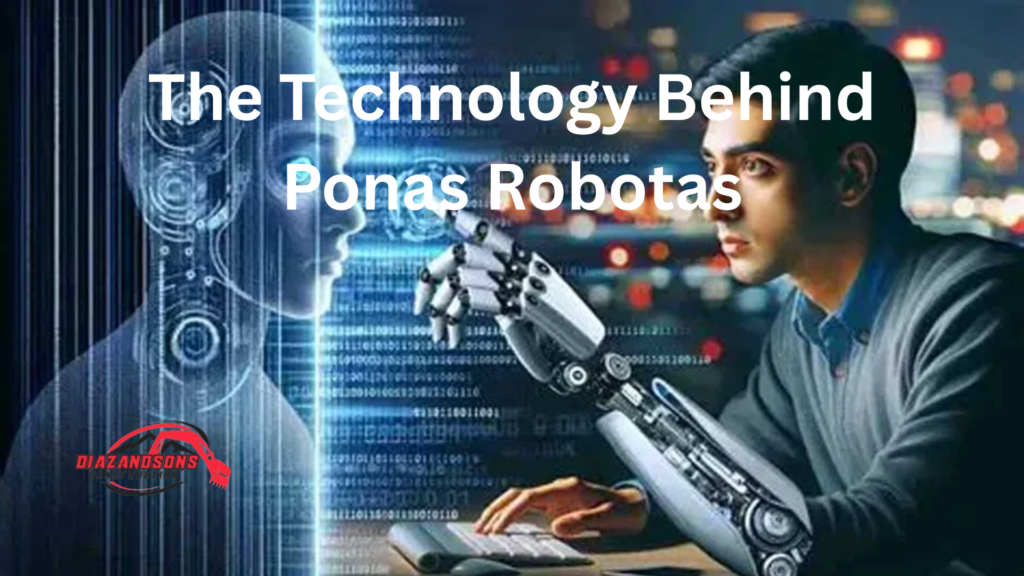
Robotic movement systems also require precise engineering. Motors, actuators, and mechanical structures allow robots to move smoothly and perform tasks accurately.
Cloud computing further enhances ponas robotas capabilities by allowing robots to access large datasets and share information with other machines. This connected network of intelligent devices creates a more responsive and efficient system.
Ethical and Social Considerations
As robotics becomes more integrated into daily life, discussions about ethics and social impact become increasingly important. The development of ponas robotas raises questions about how robots should interact with humans and how their use affects employment and society.
Safety remains a top priority. Engineers must design robotic systems that operate reliably without causing harm to people. Strict testing procedures and safety standards help ensure that robots behave predictably in various environments.
Privacy is another concern. Robots equipped with cameras and sensors may collect large amounts of data about their surroundings. Responsible design practices must protect user privacy and ensure that sensitive information is handled securely.
Advantages of Ponas Robotas Systems
The benefits of ponas robotas extend across multiple sectors of society. One major advantage is efficiency. Robots can perform repetitive tasks continuously without fatigue, allowing humans to focus on more creative or strategic work.
Accuracy is another benefit. Robots can carry out complex operations with precision, reducing the likelihood of human error in sensitive environments such as manufacturing and medical laboratories.
Cost efficiency also becomes possible over time. Although advanced robotics systems may require initial investment, they can reduce operational costs by improving productivity and minimizing waste.
In addition, ponas robotas systems can operate in environments that may be dangerous for humans, such as disaster zones, hazardous industrial sites, or extreme weather conditions.
Challenges in Developing Ponas Robotas
Despite its many advantages, the widespread adoption of ponas robotas technology faces several challenges. One of the main obstacles is the complexity of developing intelligent robotic systems that can operate reliably in unpredictable environments.
Programming robots to understand human behavior and social cues is particularly difficult. Engineers must combine computer vision, speech recognition, and contextual understanding to create truly interactive machines.
Cost remains another challenge. Advanced robotics systems require sophisticated hardware and software, which can make them expensive to produce. However, as technology advances and manufacturing processes improve, these costs are expected to decrease.
Public acceptance is also an important factor. Some people may feel uncomfortable interacting with robots or worry about the impact of automation on employment. Clear communication and responsible development can help address these concerns.
The Future Vision of Ponas Robotas
The future of ponas robotas holds exciting possibilities as technology continues to advance. Robotics researchers are exploring ways to create machines that can understand emotions, interpret complex instructions, and collaborate seamlessly with humans.
In smart cities, robots could assist with waste collection, traffic monitoring, and infrastructure maintenance. In agriculture, robotic systems may help farmers monitor crops, apply fertilizers precisely, and harvest produce efficiently.
Education may also benefit from robotics. Interactive robots could assist teachers by demonstrating scientific concepts or providing personalized learning support to students.
As these innovations develop, ponas robotas represents a vision where robotics becomes an integrated part of daily life rather than a distant technological curiosity.
Human and Robot Collaboration
A key idea behind ponas robotas is collaboration rather than replacement. Robots are most effective when they complement human abilities rather than attempt to replace them entirely.
Humans bring creativity, emotional understanding, and complex reasoning to problem-solving. Robots contribute precision, speed, and the ability to perform repetitive tasks without fatigue.
By combining these strengths, industries can create more productive and efficient workplaces. Workers can focus on strategic and creative tasks while robots handle physically demanding or repetitive activities.
Conclusion
The concept of ponas robotas reflects the continuing evolution of robotics and automation. It represents a vision where intelligent machines become practical tools that support humans in everyday activities. Through advanced sensors, artificial intelligence, and adaptive learning systems, these robots can perform tasks that improve efficiency and enhance quality of life.
From homes and hospitals to factories and smart cities, the possibilities for ponas robotas continue to expand as technology progresses. While challenges remain in areas such as cost, ethics, and technical development, ongoing research and innovation are steadily moving the world closer to this vision.
As robotics technology grows more sophisticated, ponas robotas symbolizes a future where humans and machines work together in harmony. This collaboration has the potential to transform industries, improve living standards, and create new opportunities for technological progress across the globe.
