


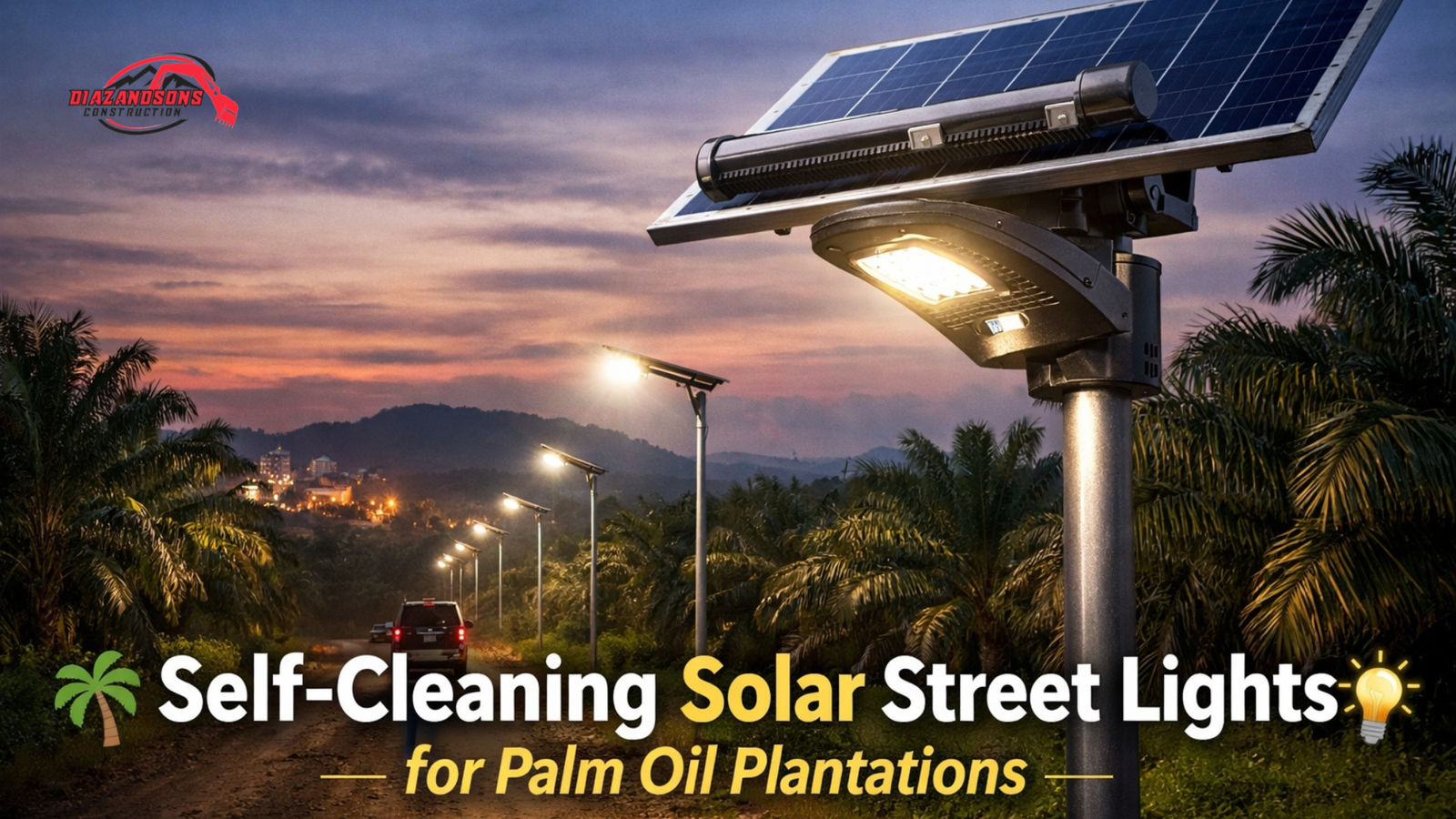
Urban areas around the world are constantly searching for solutions that combine sustainability, efficiency, and cost savings. Street lighting is one of the most essential components of city infrastructure, yet it often requires frequent maintenance and cleaning to remain effective. Dust, pollution, and weather conditions can quickly reduce the brightness and efficiency of street lights. This challenge has inspired engineers and researchers to explore smarter solutions, leading to the development of the self cleaning street light palm oil project.
The self cleaning street light palm oil project represents an innovative idea that combines renewable energy concepts with intelligent engineering. Instead of relying on traditional maintenance schedules, the system uses automated cleaning techniques and environmentally friendly components inspired by palm oil-based materials. The goal is simple: create street lights that maintain their performance with minimal human intervention while supporting sustainable technology.
Cities that adopt the self cleaning street light palm oil project can benefit from improved lighting efficiency, lower maintenance costs, and environmentally responsible design. By integrating renewable resources with smart engineering, this concept highlights how modern infrastructure can evolve to meet future demands.
The Idea Behind the Self Cleaning Street Light Palm Oil Project
The concept of the self cleaning street light palm oil project emerged from a common urban problem. Street lights are exposed to outdoor environments day and night. Dust, dirt, bird droppings, and pollution particles accumulate on the lamp covers and solar panels over time. When this happens, light output decreases and energy efficiency drops.
Traditional cleaning requires maintenance teams to manually inspect and clean thousands of lights across a city. This process consumes time, labor, and operational budgets. Engineers began searching for a smarter approach that could reduce these challenges.
The self cleaning street light palm oil project addresses this issue by combining automated cleaning mechanisms with eco-friendly materials derived from palm oil. Palm oil derivatives are widely used in biodegradable lubricants, coatings, and industrial materials. When integrated into the design of street lighting systems, these materials can help create protective surfaces that repel dust and reduce grime buildup.
By integrating these sustainable materials with mechanical cleaning systems, the project ensures that street lights remain efficient even in harsh environmental conditions.
Why Modern Cities Need Self Cleaning Street Light Systems
Urban populations are increasing rapidly, which means cities require more infrastructure to support daily life. Street lighting plays a crucial role in road safety, pedestrian security, and nighttime visibility. However, maintaining large networks of lights becomes increasingly difficult as cities expand.
The self cleaning street light palm oil project offers a solution that reduces maintenance efforts while improving lighting reliability. When street lights stay clean and functional, they provide better illumination and use energy more efficiently.
Cleaner lights also contribute to safer roads. Drivers rely on consistent lighting to identify obstacles, road markings, and pedestrians. Even small reductions in brightness can impact visibility at night. The automated maintenance approach within the self cleaning street light palm oil project helps maintain consistent brightness without frequent manual intervention.
Another advantage is cost reduction. Municipal budgets often allocate significant funds for infrastructure maintenance. With self-cleaning technology, cities can reduce the number of maintenance visits required each year. Over time, this leads to long-term financial savings while improving operational efficiency.
Core Technologies Used in the Self Cleaning Street Light Palm Oil Project
The innovation behind the self cleaning street light palm oil project comes from the integration of several technologies working together. These technologies ensure that the lighting system remains clean, efficient, and environmentally responsible.
Palm Oil-Based Protective Coatings
Palm oil derivatives can be processed into eco-friendly coatings that create smooth, hydrophobic surfaces. These coatings help prevent dust and dirt from sticking to lamp covers and solar panels.
When used in the self cleaning street light palm oil project, these coatings reduce grime accumulation and allow rainwater to wash away particles naturally. The surface remains clearer for longer periods, improving light transmission and overall efficiency.
Automated Cleaning Mechanisms
Another important component of the self cleaning street light palm oil project is the automated cleaning system. Small rotating brushes, wipers, or vibration mechanisms are installed near the lamp housing or solar panel surface. These devices activate periodically to remove accumulated dust and debris.
Because the system operates automatically, it eliminates the need for frequent manual cleaning. The mechanism uses minimal energy and can be powered by the same energy source that operates the light itself.
Solar Power Integration
Many versions of the self cleaning street light palm oil project incorporate solar panels as the primary energy source. Solar lighting systems are already widely used in modern cities because they reduce electricity consumption and lower carbon emissions.
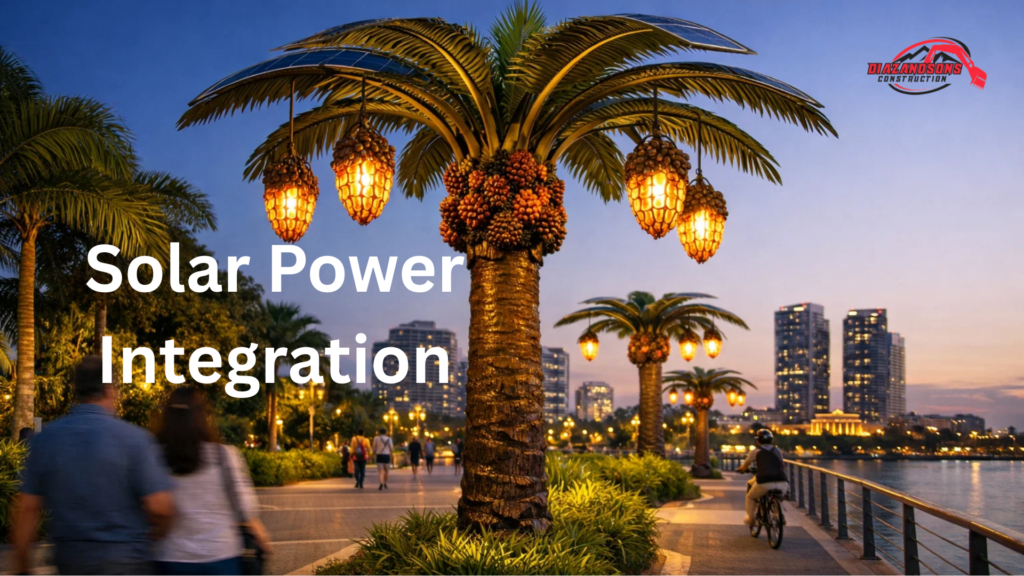
However, solar panels lose efficiency when covered with dust. The self-cleaning feature ensures that panels remain exposed to sunlight, allowing them to generate power consistently. This combination of renewable energy and automated cleaning creates a highly sustainable lighting solution.
Environmental Benefits of the Self Cleaning Street Light Palm Oil Project
Sustainability plays a central role in modern infrastructure development. The self cleaning street light palm oil project aligns with environmental goals by reducing waste, energy consumption, and maintenance-related emissions.
One key advantage is the use of palm oil-based materials. When sourced responsibly, palm oil derivatives can replace petroleum-based chemicals used in industrial coatings and lubricants. These biodegradable alternatives reduce environmental impact while maintaining strong performance characteristics.
Another environmental benefit comes from reduced maintenance operations. Maintenance vehicles traveling across cities to clean and repair lights contribute to fuel consumption and emissions. With automated cleaning systems, the need for these visits decreases significantly.
Energy efficiency is another important factor. Clean lamp covers and solar panels allow street lights to operate at optimal brightness using less energy. Over time, this helps cities reduce their overall energy demand and environmental footprint.
Design Considerations for Implementing the Project
Successful implementation of the self cleaning street light palm oil project requires careful planning and engineering. Several design factors must be considered to ensure reliability and long-term performance.
First, the durability of materials is crucial. Street lights operate in outdoor conditions where they face rain, wind, heat, and pollution. Components must be designed to withstand these conditions for many years without significant degradation.
Second, the automated cleaning mechanism must be energy efficient. Since many systems rely on solar power, the cleaning process must consume minimal electricity. Engineers often design low-power motors or vibration systems that activate briefly but effectively remove debris.
Third, the palm oil-based coating must be applied evenly and maintain its protective properties over time. Regular inspections during early deployment stages help ensure that the coating performs as expected.
Economic Advantages for Cities and Communities
Infrastructure projects must balance sustainability with economic practicality. The self cleaning street light palm oil project provides several financial advantages that make it appealing for municipal governments.
The most immediate benefit is reduced maintenance cost. Traditional street lighting systems require regular cleaning and inspection, which involves labor, transportation, and equipment expenses. Automated cleaning significantly lowers these operational costs.
Longer equipment lifespan is another financial advantage. Dirt and pollution can cause overheating or reduce the efficiency of lighting components. By keeping surfaces clean, the system helps protect sensitive parts and extend the overall lifespan of the lighting unit.
Energy savings also contribute to economic benefits. When solar panels remain clean and efficient, they generate more power, reducing reliance on grid electricity. This helps municipalities lower their energy bills while promoting renewable energy usage.
Future Potential of Self Cleaning Street Lighting
As smart city technology continues to advance, the self cleaning street light palm oil project could become part of a broader network of intelligent urban infrastructure. Future versions of these systems may include sensors, wireless communication modules, and real-time monitoring capabilities.
For example, sensors could detect dust accumulation levels and trigger the cleaning mechanism only when needed. This would further optimize energy usage and system efficiency.
Smart connectivity could allow city management systems to monitor the condition of thousands of lights simultaneously. Maintenance teams would receive alerts only when a component requires attention, improving efficiency across the entire network.
These developments show that the self cleaning street light palm oil project is more than a single innovation. It represents a step toward smarter and more sustainable urban environments.
Challenges and Considerations
While the concept is promising, implementing the self cleaning street light palm oil project also involves certain challenges. One of the main concerns is responsible sourcing of palm oil. Unsustainable palm oil production can lead to deforestation and environmental damage.
To address this issue, projects must prioritize certified sustainable palm oil derivatives and ensure ethical sourcing practices. This approach allows the technology to remain environmentally responsible from start to finish.
Another challenge involves initial installation costs. Advanced lighting systems with automated components may require higher upfront investment compared to traditional street lights. However, long-term savings in maintenance and energy often offset these costs over time.
Technical reliability is another factor to consider. Automated systems must be carefully engineered to operate consistently in various environmental conditions. Rigorous testing during development stages helps ensure that the technology performs reliably for many years.
The Role of Innovation in Urban Sustainability
Cities are facing increasing pressure to adopt sustainable infrastructure solutions. Climate change, energy consumption, and growing populations require innovative approaches to urban planning.
The self cleaning street light palm oil project demonstrates how engineering creativity can address multiple challenges at once. By combining renewable materials, automated systems, and efficient lighting technology, the project supports both environmental goals and urban development needs.
Such innovations also inspire further research and experimentation. Engineers and researchers continue to explore new materials, improved automation techniques, and smarter energy systems. Each advancement contributes to a future where infrastructure works more efficiently while minimizing environmental impact.
Conclusion
Modern cities need infrastructure that is reliable, sustainable, and cost-effective. The self cleaning street light palm oil project offers a creative solution that addresses several urban challenges at the same time. By integrating automated cleaning systems, palm oil-based protective coatings, and renewable energy technologies, this project improves the performance and longevity of street lighting systems.
Cleaner lighting surfaces lead to brighter streets, better energy efficiency, and reduced maintenance requirements. At the same time, environmentally friendly materials help reduce dependence on traditional chemical products.
As cities continue to evolve into smarter and more sustainable environments, innovations like the self cleaning street light palm oil project highlight the potential of thoughtful engineering. By combining technology, sustainability, and intelligent design, communities can create infrastructure that supports both present needs and future generations.
