


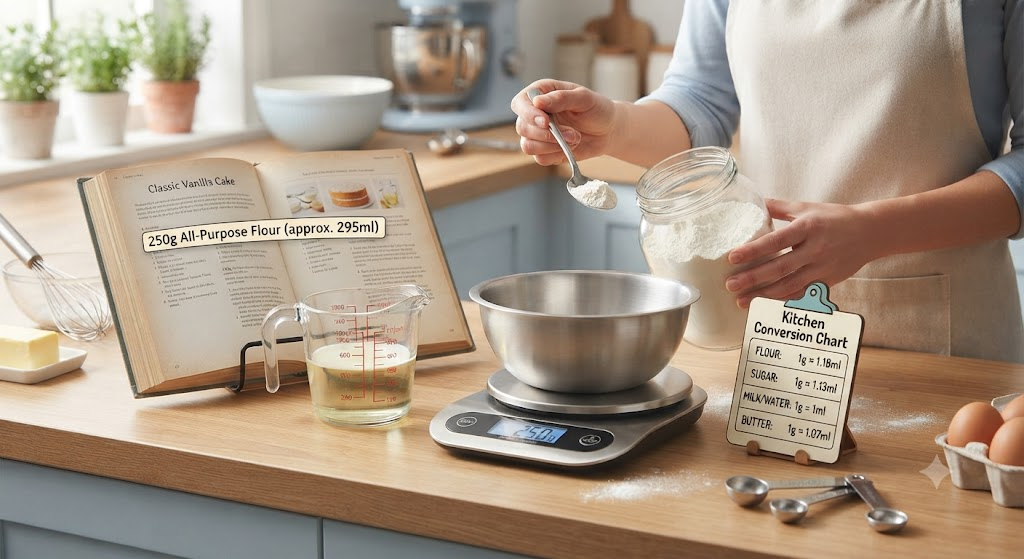
Have you ever been in the kitchen, ready to bake a delicious cake, only to find a confusing recipe? Maybe the recipe asks for grams, but your measuring cup only shows milliliters. This happens to everyone! It can feel frustrating when you just want to get cooking. But do not worry. Converting Gram to Milliliter is much easier than it sounds. You do not need to be a math genius to get it right. With a few simple tricks, you can master these kitchen measurements in no time. Let’s make your cooking life much simpler today.
Why Do Grams and Milliliters Differ?
It helps to know that grams and milliliters measure two different things. A gram measures how heavy something is, which is its mass. A milliliter measures how much space something takes up, which is its volume. Think of it this way: a cup of feathers weighs much less than a cup of lead. Even though they fill the same amount of space, their weights are very different. Because of this, the gram in milliliter conversion depends entirely on what ingredient you are using. Water is easy because it is consistent, but things like flour or sugar change the math.
The Magic of Density in Cooking
Density is the secret key to understanding how to convert gram in milliliter correctly. Density tells us how packed together the tiny particles of an ingredient are. For example, honey is very dense, so it is heavier than the same amount of water. Flour, on the other hand, is light and airy. When you know the density, you can easily figure out the conversion. Most home cooks do not need a science degree for this. You just need to remember that different ingredients have different “weights” for the same volume. This is why following a reliable chart is super helpful for your daily recipes.
Converting Water: The Easiest Example
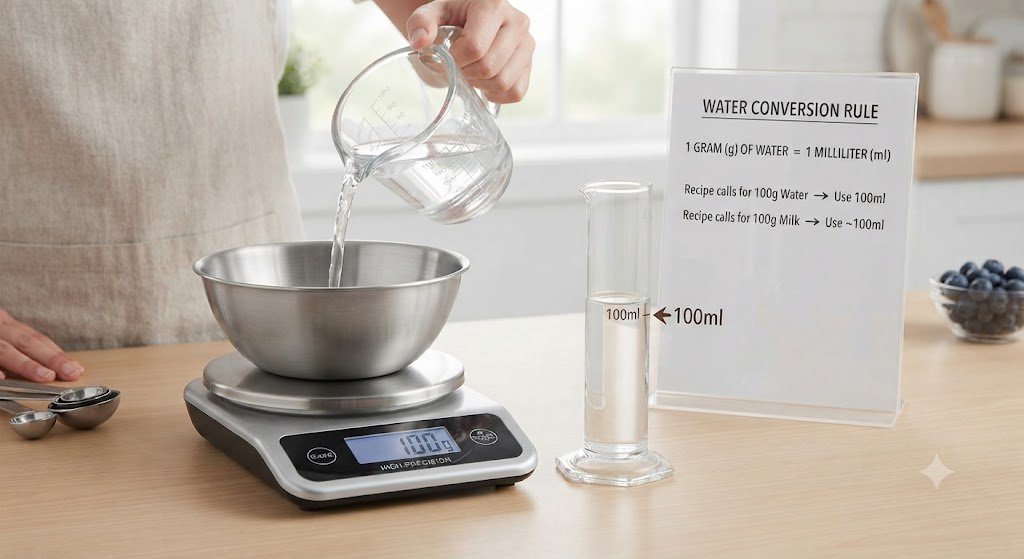
When it comes to water, the math is wonderful because it is so simple. One gram of water is exactly one milliliter. This makes your life very easy if your recipe calls for water. If a recipe asks for 100 grams of water, you can just use 100 milliliters. This rule also works for liquids that are very similar to water, like milk or thin juices. Because these liquids have a density close to one, they follow the same easy rule. You will find that this is the most common gram in milliliter conversion you will perform in your kitchen.
Handling Flour and Dry Ingredients
Dry ingredients like flour are trickier because they can be packed tightly or remain loose. If you scoop flour directly from the bag, it packs down and becomes heavier. If you sift it, it becomes light and takes up more space. Generally, 1 gram of all-purpose flour is roughly equal to 1.7 to 2 milliliters. This is a big difference compared to water! Because of this, many expert bakers prefer using a digital kitchen scale instead of a measuring cup. Using a scale is the most accurate way to ensure your baked goods turn out perfectly every single time.
Simple Conversion Reference Table
To make your life easier, I have put together a handy table. This table shows common ingredients and their approximate conversion values. Please remember that these are estimates. Factors like humidity or how you pack the ingredient can change the exact results. Use this as a helpful guide, but always keep an eye on your mixture’s consistency.
| Ingredient | 1 Gram (Approx.) |
| Water / Milk | 1.0 Milliliter |
| Vegetable Oil | 1.1 Milliliters |
| Honey | 0.7 Milliliters |
| Granulated Sugar | 1.2 Milliliters |
| All-Purpose Flour | 1.7 Milliliters |
| Butter (Melted) | 1.1 Milliliters |
The Best Tools for Accurate Measurement
If you want to stop guessing, get a few basic tools. A high-quality digital scale is your best friend for measuring gram in milliliter accurately. It removes all the stress of guessing if your cup is packed too tightly. A clear liquid measuring cup is also essential for liquids. When using a cup, always place it on a flat surface and look at the line at eye level. This prevents mistakes caused by tilting the cup. Combining these tools with a good conversion chart will make you feel like a professional chef in your own home kitchen.
Common Mistakes to Avoid
One common mistake is using the wrong tool for the job. Never use a liquid measuring cup to measure dry ingredients like flour. You will almost always end up with too much flour, which makes cakes dry. Another mistake is assuming all sugars are the same. Brown sugar is packed, while white sugar is loose, so their volume differs. Always check your recipe carefully. If you are struggling with a specific gram in milliliter conversion, just take it slow. It is better to measure carefully once than to start the whole recipe over because of a math error.
Tips for Measuring Like a Pro
To be a pro, always measure your ingredients before you start cooking. This is called mise en place. It makes the cooking process smooth and relaxing. When measuring liquids, pour slowly until you reach the correct mark. For dry ingredients, use a spoon to fill your measuring cup, then level it off with a knife. Do not tap the cup, as this packs the ingredient down. By keeping your tools clean and your workspace tidy, you will find that these conversions become second nature. You will soon be able to estimate gram in milliliter amounts without even looking at your chart!
How to Handle Different Sugars
Sugar comes in many forms, and they all behave differently. White sugar has a specific weight per milliliter, but powdered sugar is much lighter. Because powdered sugar is so fine, it takes up a lot more space for the same weight. If a recipe says “100 grams of sugar,” it usually means white granulated sugar. If you are using powdered sugar, you will need a much larger volume to reach that same weight. Always look for the specific type of sugar mentioned in your recipe to ensure your sweet treats turn out delicious and perfectly balanced.
Why Accuracy Matters in Baking
Baking is much more like chemistry than regular cooking. In a stir-fry, you can add a little more of this or that without a problem. In baking, however, the balance of ingredients is very delicate. If your gram in milliliter ratio is off, your bread might not rise or your cookies might spread too much. Accuracy ensures that the structure, texture, and taste are exactly what the recipe designer intended. Once you start measuring by weight, you will notice a huge improvement in your baking results. It really is the secret to consistency.
Adjusting Recipes for Different Regions
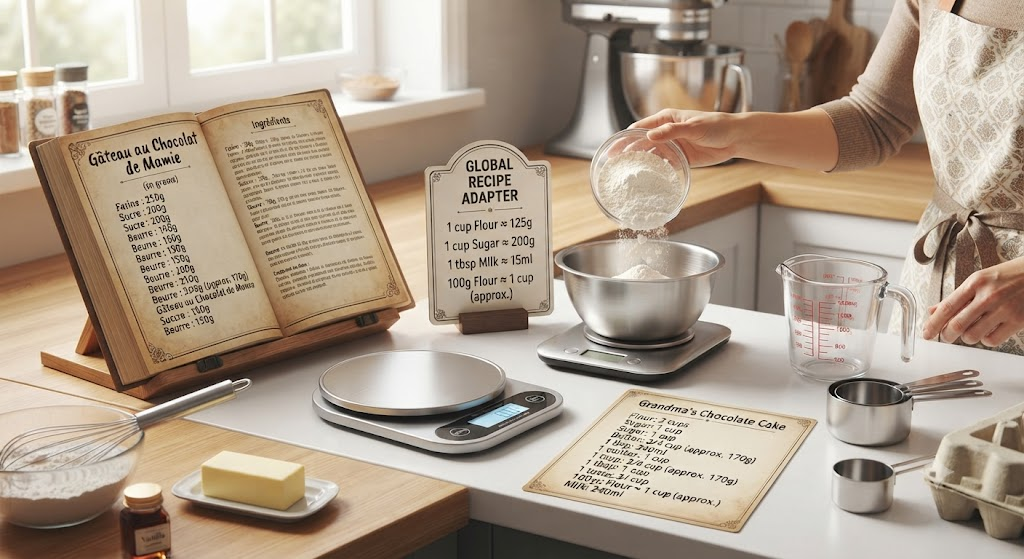
Sometimes you might find a recipe from a different country. A recipe from Europe might use grams exclusively, while one from the US might use cups or milliliters. This is where knowing your gram in milliliter conversions becomes super helpful. You can easily adapt any global recipe to fit the tools you have in your kitchen. This opens up a whole world of new dishes to try. Do not let different measurement systems stop you from exploring new cuisines. With your conversion knowledge, you can cook anything from anywhere in the world with total confidence.
Frequently Asked Questions
1. Is 1 gram always equal to 1 milliliter?
No, that is only true for water and liquids with similar density. Other ingredients vary significantly.
2. Should I measure flour by weight or volume?
Measuring by weight (grams) using a digital scale is always more accurate and recommended for baking.
3. Does temperature affect the gram in milliliter conversion?
Yes, for some ingredients, temperature changes density, which slightly alters the volume for a specific weight.
4. Can I use a regular drinking cup to measure?
It is not recommended. Use standard measuring cups or a digital scale to ensure accuracy for your recipes.
5. How do I convert grams of honey to milliliters?
Honey is denser than water. You usually multiply the grams by about 0.7 to find the milliliters.
6. What if my recipe does not list grams or milliliters?
If it uses cups, you can find online converters that help you change those volumes into grams for better accuracy.
Conclusion
Mastering the gram in milliliter conversion is a total game-changer for your kitchen. It gives you the confidence to try any recipe you find, no matter where it comes from or how it is measured. Whether you are a beginner or a seasoned home cook, these simple steps and tables will help you achieve better results. Remember to use a digital scale whenever you can for the best accuracy. Now that you have these tools, which recipe are you going to tackle first? Share your favorite baking success story in the comments below, or let me know if you need help with another conversion!
