


Have you ever looked for an old file or a past conversation and felt totally lost? We all have. Whether it is professional logs or personal history, we create tons of data every single day. This is where connections archives come into play. Think of them as a giant digital library for everything you have done online. When you keep your connections archives organized, you save yourself hours of stress later on. In this guide, we will look at how you can manage these records simply and effectively. It is much easier than you might think to keep your digital life in order.
What Are Connections Archives?
A connections archives system is a place where you store records of your past digital interactions. This includes things like emails, chat logs, and even records from your favorite online games. By keeping these connections archives in one spot, you create a clear history of your activity. Think of it as a personal memory bank. When you need to find an old message, you just go to your connections archives. It stops you from losing important info in the mess of everyday life.
Why You Should Keep Digital Records
You might wonder why connections archives are even necessary. The answer is simple: security and peace of mind. When you maintain connections archives, you have proof of your past actions. This is great for work or even for just looking back at good memories. Plus, a good connections archives system helps you stay organized. Instead of having files scattered everywhere, you have a single source of truth. It makes your digital workspace feel much
cleaner and more professional.
How to Set Up Your First Archive
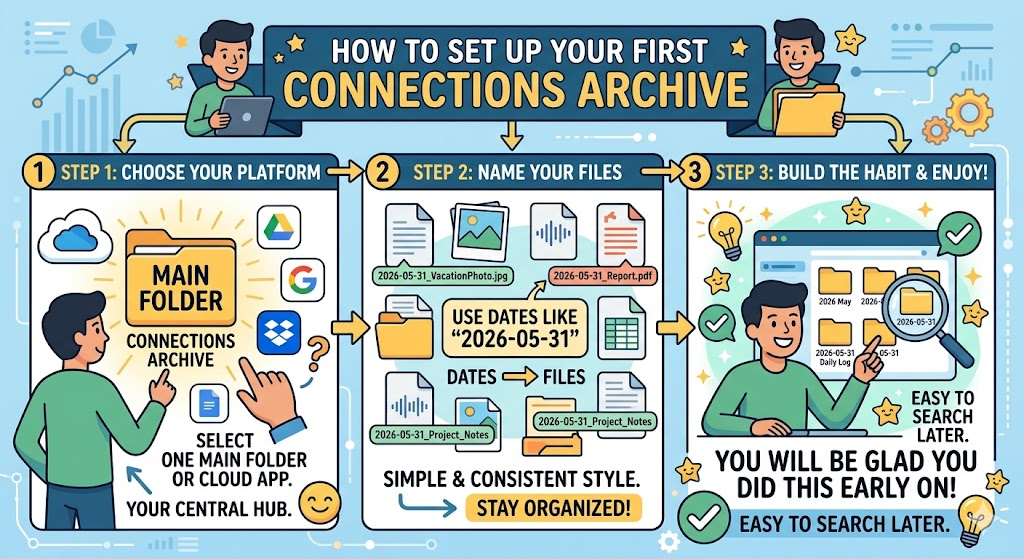
Setting up your connections archives does not have to be hard. Start by choosing one main folder or cloud storage app. Next, decide on a simple naming style for your files. For example, use dates like “2026-05-31” to keep things in order. As you build your connections archives, try to be consistent. If you save one file with a date, save them all that way. This small habit makes your connections archives very easy to search later. You will be glad you did this early on!
The Power of Tags and Labels
Tags are the secret weapon for any great connections archives system. Instead of just folders, use descriptive labels for your data. If you have a file about a project, tag it with “Project” and the year. When you search your connections archives, these tags act like magic shortcuts. They help you find exactly what you need in seconds. You can even use color codes if you want to get fancy. Keeping your connections archives tagged is the best way to stay fast and efficient.
Keeping Your Data Safe and Secure
Safety is a huge part of managing connections archives. Always make sure your files are backed up in more than one place. Use a secure cloud service to store your connections archives so you never lose them. Also, use strong passwords to protect your folders. When you care for your connections archives, you are really caring for your own digital history. Don’t let a tech mistake wipe out your hard work. Take the time to set up backups today.
Troubleshooting Common Archive Issues
Sometimes, managing connections archives can get tricky. You might have duplicate files or broken links. If this happens, don’t panic. Take a moment to clear out the mess in your connections archives once a month. Delete old, unneeded files to keep your space clean. If you use specialized software, check your settings to make sure your connections archives are updating correctly. A little bit of monthly maintenance goes a long way toward keeping everything running smoothly.
Organizing for Better Search Results
One big benefit of tidy connections archives is the ability to search effectively. If you use clear names, your computer’s search tool will work much better. Try to include keywords in your file names within your connections archives. For example, instead of “Document1,” use “Project_A_Summary.” This way, when you search your connections archives, the right file pops up immediately. It is a small change that saves you a lot of time every single day.
Using Metadata to Your Advantage
Metadata is just data about your data. In your connections archives, metadata includes the date created, the author, or the file type. Many modern programs do this for you automatically. You can also add your own notes to the file properties inside your connections archives. These extra details help you understand exactly what is in a file without opening it. It makes managing your connections archives feel more like organizing a professional library.
Best Tools for Managing Archives
There are many great tools to help you manage your connections archives. Cloud drives like Google Drive or Dropbox are perfect for beginners. For more advanced users, there are dedicated archiving apps that can track versions of your files. Whatever you choose, make sure it fits your daily flow. The best tool for your connections archives is the one you will actually use. Don’t worry about finding the “perfect” app—just find one that is simple and reliable.
Why Consistency Is the Key
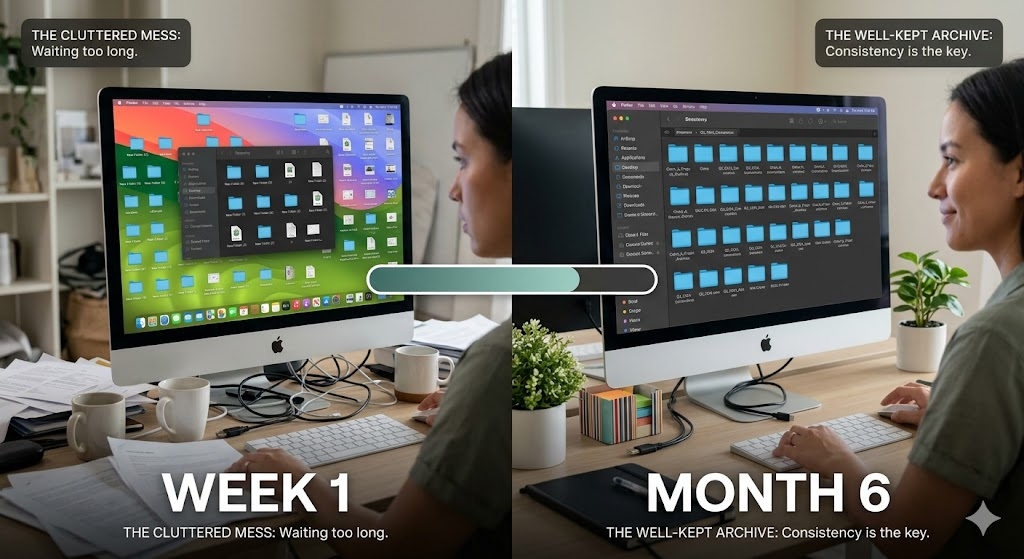
You cannot build great connections archives overnight. It takes a little bit of work every week to keep things organized. Make it a habit to sort your files into your connections archives after you finish a project. If you wait too long, the mess just grows. Consistency is what separates a cluttered mess from a well-kept connections archives. Stick to your plan, and soon enough, organization will become second nature to you.
Comparison of Archive Methods
| Feature | Local Folders | Cloud Storage | Dedicated Apps |
| Setup Speed | Very Fast | Fast | Moderate |
| Accessibility | Limited | Anywhere | High |
| Searchability | Basic | Advanced | Best |
| Cost | Free | Varies | Can be paid |
Frequently Asked Questions
1. What are the best file formats for connections archives?
Use standard formats like PDF, TXT, or CSV. They are easy to read and work on almost any device.
2. How often should I back up my connections archives?
Try to set up automatic backups so it happens daily. If not, aim for at least once a week.
3. Can I put photos in my connections archives?
Absolutely! Photos are part of your history. Just make sure to tag them with dates and locations.
4. What if I run out of space in my archive?
Look into upgrading your cloud storage plan or moving older, unused files to an external hard drive.
5. Are connections archives good for business?
Yes, they are vital for keeping track of client history, communication logs, and project milestones.
6. Do I need to be a tech expert to manage these?
Not at all. If you can move a file into a folder, you have the skills to build a great archive.
Conclusion
Building your own connections archives is a smart move for anyone looking to simplify their digital life. By following these simple steps, you can keep your history safe, searchable, and organized. Start small today, and build your system one folder at a time. Do you have a favorite way to organize your files? Share your tips in the comments below or start your own archive journey now!
