

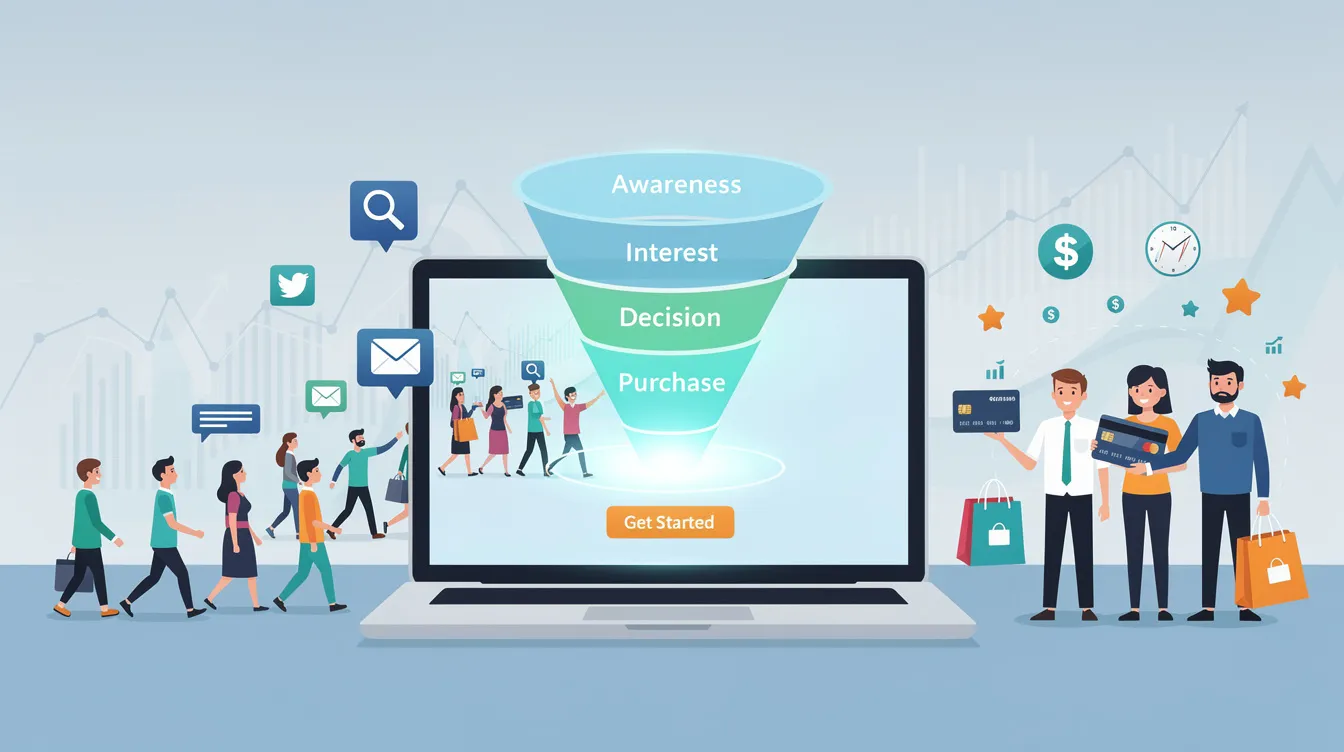
Attracting visitors to a website is an important first step, but traffic alone does not create a successful business or nonprofit. The real value comes when visitors take meaningful action: calling for an estimate, scheduling an appointment, purchasing a product, joining an email list, registering for an event, donating, or sharing an organization with someone else. For small organizations in Charleston and the surrounding Lowcountry, improving this process can create steady growth without requiring a dramatic increase in advertising spending.
Website conversion is the practice of guiding visitors from interest to action. It combines clear messaging, useful design, persuasive content, technical performance, and trust-building elements. A visitor should not have to guess what an organization does, whether it serves their location, or what to do next. When the path is simple and credible, more people are likely to become customers, clients, donors, volunteers, or community supporters.
For local organizations that want to improve their website performance, working with Chucktown Website Design can provide access to web design, SEO, eCommerce, hosting, landing pages, and digital marketing support. A local partner can help connect the visual presentation of a website with the practical goals of a Charleston-area business or nonprofit, creating a digital experience that is attractive but also designed to produce measurable results.
Begin with One Clear Conversion Goal
A common website problem is trying to make every page accomplish everything at once. The home page may contain several phone numbers, multiple offers, a long list of services, social media links, blog posts, and unrelated announcements. Although each item may be useful, the combined effect can overwhelm visitors and make the next step unclear.
Every important page should have a primary conversion goal. A service page may encourage a visitor to request a quote. A nonprofit program page may ask the reader to donate or volunteer. An eCommerce product page should guide the visitor toward adding an item to the cart. Secondary options can remain available, but they should not compete with the main action.
The primary goal should be visible near the beginning of the page and repeated naturally after the visitor receives enough information to make a decision. A clear button such as “Request an Estimate,” “Schedule a Consultation,” “Donate Today,” or “Shop the Collection” is usually more effective than a vague phrase such as “Learn More.”
Write Headlines That Explain the Value
Visitors often scan a page before reading it in detail. The headline must quickly communicate what the organization offers and why it matters. A headline should focus on a customer or community benefit rather than simply describing the company.
For example, “Professional Home Services in Charleston” is understandable, but “Reliable Home Repairs for Charleston Families” communicates a stronger customer benefit. A nonprofit might replace “Our Mission” with “Helping Lowcountry Families Access Essential Resources.” The second version gives the visitor a reason to continue reading.
Supporting text should answer three basic questions: Who is this for? What problem does it solve? Why should the visitor trust this organization? The answers should be concise and specific. Avoid exaggerated promises that could damage credibility. Clear, honest language is more persuasive than excessive marketing claims.
Design a Strong Above-the-Fold Section
The above-the-fold section is the part of a page visible before a visitor scrolls. It should introduce the organization, communicate its value, and present a clear next action. It does not need to contain every important detail, but it should provide enough information to encourage the visitor to continue.
A strong opening section often includes a benefit-focused headline, a short explanation, an attractive but optimized image, and one primary call-to-action button. Local businesses may also include their service area or a trust signal such as years of experience. Nonprofits may highlight a current campaign, measurable community impact, or an upcoming event.
Visual design should support the message rather than distract from it. Busy backgrounds, animated elements, and too many competing colors can make a page look unprofessional. Photos should be relevant and authentic whenever possible. Charleston-area organizations can strengthen local identity through images of their team, projects, facilities, events, or community work.
Build Trust Before Asking for Action
Visitors are more likely to submit information or complete a purchase when they believe an organization is legitimate and dependable. Trust signals should appear near important conversion points, not only on a separate testimonials page.
Useful trust signals include customer reviews, project galleries, professional certifications, recognizable partner organizations, clear contact information, guarantees, secure payment indicators, and transparent policies. A local address and phone number can reassure visitors who want to know that they are dealing with a real organization in or near Charleston.
Testimonials are most persuasive when they provide detail. Instead of saying only “Great service,” a testimonial might explain what problem the organization solved, how the process felt, and what result the customer experienced. Nonprofits can use stories from program participants, volunteers, and donors while protecting privacy and obtaining appropriate permission.
Create Service Pages That Answer Real Questions
Many local websites list services without explaining them. A visitor who is unfamiliar with the organization may still be unsure about pricing, timing, process, preparation, service area, or expected results. Detailed service pages can answer these questions and reduce hesitation.
Each service page should explain what the service includes, who benefits from it, what the process involves, and how a visitor can get started. Frequently asked questions are particularly useful for addressing concerns before a phone call. A contractor might explain whether estimates are free, how long a project typically takes, and which neighborhoods are served. A professional practice might describe consultation requirements, appointment availability, and what new clients should bring.
Service pages should also link to related information. A visitor reading about a primary service may want to view a portfolio, learn about the team, read a related guide, or contact the organization. These links create a natural journey through the website and can improve both user experience and search visibility.
Improve Forms and Contact Options
Contact forms are useful, but long or confusing forms can reduce conversions. Ask only for information needed to begin the conversation. A simple form may require a name, email address, phone number, and short message. Additional questions can be asked later when they are genuinely necessary.
Local organizations should offer multiple contact methods because visitors have different preferences. Some people prefer a phone call, while others want email, text messaging, or an online booking calendar. Mobile visitors should be able to tap the phone number directly. Forms should provide a clear confirmation after submission so that visitors know their message was received.
Response time also affects conversion. A well-designed website cannot compensate for unanswered inquiries. Businesses should establish a system for reviewing contact forms, calls, and messages during business hours. Nonprofits should make donation and volunteer inquiries easy to route to the appropriate staff member.
Make Mobile Conversion Effortless
Mobile visitors often have limited time and attention. They may be searching while traveling between locations, comparing options from a coffee shop, or trying to contact a business outside normal desktop browsing conditions. Mobile design must therefore prioritize speed, clarity, and simple actions.
Buttons should be large enough to tap comfortably and spaced far enough apart to prevent accidental clicks. Important information such as phone numbers, hours, directions, pricing guidance, and booking links should not be hidden behind difficult menus. Pop-ups should be used carefully because they can cover content and make navigation frustrating on smaller screens.
Testing should include different screen sizes and mobile browsers. A page that looks fine on one phone may have layout problems on another. Regular testing helps identify broken buttons, unreadable text, slow images, and forms that do not submit correctly.
Use Local SEO to Attract Better Visitors
Conversion optimization works best when the website attracts people who are likely to need the organization’s services. Local SEO helps connect Charleston-area businesses and nonprofits with relevant searches. Location pages, service content, accurate business listings, reviews, and helpful local articles can all support this goal.
The language on a page should reflect how people actually search. A customer may search for a service plus “Charleston,” “Summerville,” or another nearby community. However, location terms should be used naturally and supported by useful local information. Creating multiple pages with nearly identical text and changing only the city name can reduce trust and create a poor experience.
A complete Google Business Profile is also important for local discovery. Accurate hours, categories, photos, services, and contact details make it easier for potential customers to decide whether to visit or call. Review responses should remain professional and helpful, even when a review is negative.
Use Landing Pages for Specific Campaigns
A landing page is designed around one offer, audience, or campaign. It can be more effective than sending advertising traffic to a general home page because the message is closely connected to the visitor’s original interest. Businesses that need help creating focused campaign pages can review Chucktown Websites as part of their local marketing planning.
For example, a nonprofit running a food drive could create a page focused entirely on donation options, collection dates, and the community impact of the campaign. A local business offering seasonal services could create a page that explains the offer, eligibility, timing, and booking process. The page should remove distractions that are not related to the campaign while retaining enough trust information to support the decision.
Advertising, email, social media, and printed materials should all link to the most relevant landing page rather than a generic destination. This creates consistency from the first message to the final action.
Measure Conversion Performance
Analytics help organizations understand whether their websites are producing results. Traffic is useful, but it should be reviewed alongside actions such as calls, form submissions, purchases, bookings, donations, and newsletter signups.
A simple measurement framework can connect goals with relevant data:
| Goal | Primary conversion | Supporting measures |
| Generate service leads | Calls and quote requests | Page views, form starts, local search impressions |
| Increase online sales | Completed purchases | Product views, cart additions, checkout completion |
| Grow nonprofit support | Donations and volunteer signups | Campaign visits, email subscriptions, event registrations |
| Promote appointments | Completed bookings | Calendar views, booking starts, phone clicks |
If a page receives many visitors but few conversions, examine its headline, offer, trust signals, speed, and call to action. If a page receives few visitors, the issue may be SEO, promotion, or content relevance. Testing one improvement at a time makes it easier to understand what works.
Keep the Website Current and Reliable
Outdated information can quickly reduce trust. Businesses should update service details, hours, staff information, project examples, and seasonal notices. Nonprofits should keep event calendars, donation campaigns, program details, and volunteer information accurate.
Technical maintenance is equally important. Broken links, expired promotions, failed forms, outdated plugins, and security problems can prevent visitors from taking action. Reliable hosting, regular backups, software updates, and performance checks help protect the organization’s reputation and revenue.
Conclusion: Make Every Visit More Valuable
Turning local website visitors into loyal customers and supporters requires a deliberate combination of clear goals, persuasive content, trustworthy design, local search visibility, mobile usability, and reliable follow-up. The website should make it easy for the right visitor to understand the organization and take the next step without confusion.
Charleston-area small businesses and nonprofits do not need to implement every marketing tactic at once. They can begin with one important page, one conversion goal, and one measurable improvement. Over time, better service pages, stronger calls to action, improved forms, useful content, and consistent testing can create a website that works harder for the organization.
For professional help developing a conversion-focused website and digital marketing strategy in the Charleston and Summerville areas, visit websitedesignercharleston.com and explore solutions designed for local organizations. When design and marketing work together, every website visit has a better chance of becoming a meaningful customer relationship, donation, appointment, or community connection.
