


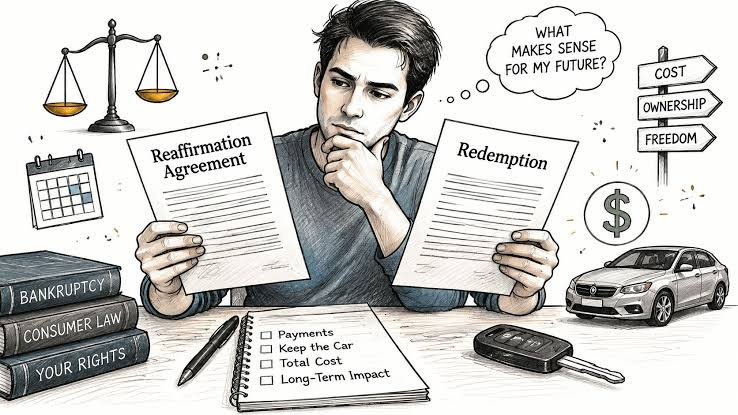
When debt becomes difficult to manage, people often feel pressure from credit card balances, collection calls, medical bills, personal loans, and overdue expenses. Bankruptcy may provide a legal path toward relief, but it is a serious decision that requires accurate information and careful preparation. The right option depends on income, assets, debts, household needs, and long-term goals.
Residents who need a Staten Island bankruptcy lawyer can begin with a confidential consultation to discuss their financial situation. Consumer bankruptcy often involves choosing between Chapter 7 and Chapter 13, gathering detailed records, reviewing exemptions, completing required forms, and responding to court and trustee requirements.
This guide explains the general factors to consider before filing. Bankruptcy law is complex and fact-specific, so this article is not legal advice. Consult a qualified bankruptcy attorney about your individual circumstances.
Start With a Complete Financial Picture
Before deciding whether bankruptcy is appropriate, list every debt, asset, source of income, and regular expense. Include credit cards, personal loans, medical bills, taxes, utility balances, vehicle loans, mortgages, student loans, judgments, and debts owed to family members or friends.
Do not leave out a debt because it seems small or because a creditor has not contacted you recently. A complete list helps an attorney evaluate the type of relief available and identify issues that may affect the case.
List assets as well. Include bank accounts, vehicles, real estate, retirement accounts, business interests, valuable personal property, insurance claims, inheritances, and potential legal claims. Accurate disclosure is essential. Hiding assets or transferring property to avoid including it can create serious legal problems.
Understand the Difference Between Chapter 7 and Chapter 13
Chapter 7 is often described as a liquidation case, although many individuals do not lose property because exemptions may protect qualifying assets. The process can provide a discharge of certain unsecured debts, subject to eligibility requirements and exceptions.
Chapter 13 is generally a repayment case for individuals with regular income who need time to address debts through a court-approved plan. The plan may allow a person to catch up on certain secured debts, manage arrears, and protect assets while making payments over a defined period.
Neither chapter is automatically better. Chapter 7 may be more suitable for someone who qualifies and has limited nonexempt property. Chapter 13 may be useful when a person has regular income, needs to protect property, or needs time to address mortgage, vehicle, or tax problems.
The choice depends on the complete financial picture rather than the total amount of debt alone.
Review Income and Eligibility Requirements
Bankruptcy eligibility can depend on household income, family size, expenses, prior filings, and the type of debts involved. Chapter 7 cases may involve an income analysis commonly called a means test, although the details depend on current law and individual circumstances.
Chapter 13 requires the ability to make plan payments after accounting for necessary expenses and other obligations. A budget should be realistic. A plan that looks manageable on paper may become difficult if it does not account for repairs, medical costs, transportation, food, insurance, and changing household needs.
Gather recent pay stubs, benefit statements, tax returns, bank records, business income information, and documentation of regular expenses. If income varies because of overtime, seasonal work, commissions, or self-employment, provide enough history to show the pattern.
Protect Important Property Through Exemptions
Bankruptcy exemptions determine which property may be protected under applicable law. Exemption questions can involve a home, vehicle, household goods, jewelry, tools, retirement accounts, personal injury claims, tax refunds, and other assets.
Do not assume that an asset is safe because it has a low resale value or because someone else owns part of it. Ownership, equity, liens, and the applicable exemption system all matter. A vehicle with a loan may have little or significant equity depending on its market value and balance.
Before filing, discuss property changes with an attorney. Selling, gifting, transferring, refinancing, or buying assets shortly before a case can create questions. Do not move property to another person simply to keep it out of the bankruptcy documents.
Understand Which Debts May Be Discharged
Bankruptcy can provide relief from many unsecured debts, but not every obligation is treated the same way. Credit card balances, medical bills, and certain personal loans may be dischargeable, subject to the facts and any objections.
Some obligations may be excluded from discharge or require additional analysis. These can include certain taxes, support obligations, some student loans, debts arising from fraud, and debts connected to particular legal violations. Secured debts also require attention because a discharge of personal liability does not necessarily remove a lien on property.
Provide complete information about the origin of each debt. A debt that appears ordinary may require different treatment if it involves a recent purchase, cash advance, lawsuit, fraud allegation, or collateral.
Speaking with Kevin Zazzera during an early consultation can help a Staten Island resident organize debt information and identify questions that require individual legal review.
Deal With Collection Calls and Lawsuits Carefully
Debt collection activity often motivates people to seek bankruptcy information. Creditors may call, send letters, file lawsuits, obtain judgments, garnish wages, or pursue other collection remedies depending on the debt and applicable law.
Keep every letter, lawsuit, court notice, voicemail, and email. If you are served with a lawsuit, do not ignore it while deciding whether to file bankruptcy. A deadline may apply before a bankruptcy case begins, and an attorney needs to know what has already happened.
Filing bankruptcy may create an automatic stay that stops or limits many collection actions, but exceptions and procedural issues exist. The stay does not resolve every problem automatically, and some actions may require additional court orders or legal steps.
Prepare Required Documents Early
A bankruptcy petition includes detailed information about income, property, debts, expenses, contracts, leases, financial history, and prior filings. The forms must be complete and accurate.
Start gathering documents before the filing appointment. Useful records may include identification, pay statements, tax returns, bank statements, mortgage information, vehicle loan statements, creditor letters, collection lawsuits, insurance information, retirement account statements, and records of recent property transfers.
Organize documents by category and keep copies. If information is missing, tell the attorney rather than estimating or leaving a question unanswered. Clear records can reduce delays and help identify issues before filing.
Complete Credit Counseling Requirements
Individuals generally must complete an approved credit counseling course before filing and a debtor education course after filing in order to receive a discharge, subject to applicable rules and exceptions. Confirm the timing, provider, certificate, and any fee requirements with your attorney or the court’s current instructions.
These courses do not replace legal advice. They are part of the required process and may provide general information about budgeting and financial management. Complete them early enough to avoid a filing delay.
Know What Happens After Filing
After filing, the case receives a number and is assigned to a bankruptcy trustee. The trustee may review documents, ask questions, examine financial information, and administer nonexempt assets when applicable.
The debtor usually attends a meeting of creditors, sometimes called a 341 meeting. The debtor must answer questions truthfully about the petition, assets, income, debts, and financial history. The meeting is not a trial, but preparation is important.
Continue making payments on obligations that are not resolved by the case. Maintain insurance, keep required documents, and tell the attorney about changes in income, employment, address, marital status, assets, or debts.
Consider Chapter 13 Payment Plans Carefully
A Chapter 13 plan must be based on income, expenses, priority debts, secured debts, property, and applicable legal requirements. Missing payments can create serious problems, so the proposed payment must be realistic.
A plan may address mortgage arrears, vehicle loans, tax obligations, and other debts in different ways. The treatment depends on the type of debt, collateral, contract terms, and the plan’s structure.
Prepare for changes during the plan period. Job loss, illness, reduced hours, unexpected repairs, or family changes may affect the ability to pay. Contact the attorney promptly if circumstances change instead of waiting until payments are seriously behind.
Evaluate the Attorney and Law Office
Bankruptcy is personal and often stressful. Choose an attorney who explains the process clearly, answers questions, reviews the complete financial picture, and provides specific instructions for preparing documents.
Ask about experience with consumer bankruptcy, communication procedures, fees, court appearances, trustee requirements, and what services are included. You should understand whether the attorney will personally handle the case, how staff members participate, and how urgent issues are addressed.
The Law Office of Kevin B. Zazzera focuses on consumer bankruptcy and reports serving Staten Island residents for more than 25 years. The firm’s website states that Attorney Kevin Zazzera has filed more than 2,000 successful bankruptcies. Clients should still discuss their own facts and confirm current services, fees, and procedures during a consultation.
Prepare for a Fresh Financial Start
Bankruptcy is not a substitute for a household budget, but it can provide an opportunity to rebuild financial stability. After the case, review spending, create an emergency fund when possible, monitor credit reports, and make future borrowing decisions carefully.
Keep discharge orders and case documents in a secure location. Creditors should receive accurate information about the result of the case, but continue to monitor statements and report any issue to your attorney.
A fresh start does not require perfection. It requires a realistic plan that accounts for income, necessary expenses, savings, and future goals.
Final Thoughts
Evaluating consumer bankruptcy options begins with complete and honest financial information. Review income, assets, debts, exemptions, collection activity, eligibility, and long-term goals before choosing Chapter 7 or Chapter 13. Gather documents early and do not transfer property or ignore legal notices while considering your options.
For Staten Island residents exploring bankruptcy relief, the Law Office of Kevin B. Zazzera offers consumer bankruptcy guidance. A consultation can help explain the process, identify documents, and determine which questions require closer review.
If overwhelming credit card balances or other consumer debts are affecting your household, visit bankruptcylawyerinstatenisland.com to learn more about arranging a consultation. The earlier you obtain advice, the more time you may have to understand your options and prepare accurate information.
