


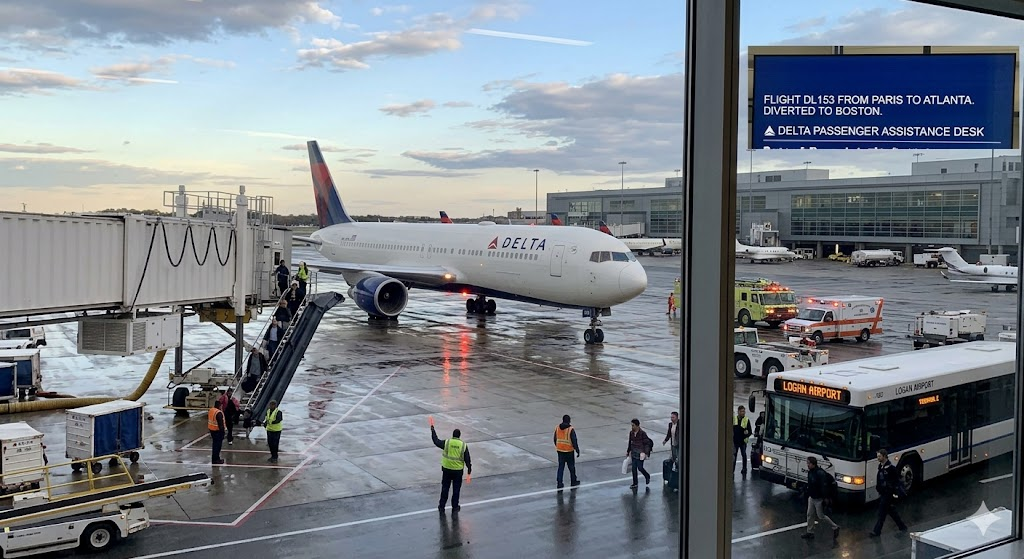
Air travel is usually smooth, but unexpected changes happen to keep us safe. Recently, passengers on a transatlantic journey faced an unexpected schedule change. Delta Flight DL153 Boston Diversion became a hot topic for travelers and aviation watchers alike. When an international flight changes its route, people naturally want to know what happened behind the scenes.
As aviation experts who track live flight data and airline safety reports, we look closely at these incidents. Passenger safety is always the number one goal for any airline crew. When a mechanical alert or an emergency happens over the ocean, pilots must make fast, smart choices. Turning a large plane around or landing early is a standard safety rule that protects hundreds of lives.
This detailed guide will break down the timeline of the delta flight dl153 boston diversion. We will look at the aircraft details, the exact path of the plane, and how the airline helped the travelers. You will get a clear, easy-to-read view of this flight event without any confusing technical language.
What is Delta Flight DL153?
Delta Air Lines flight DL153 is a regular international flight that connects Europe to the United States. It normally takes off from Paris Charles de Gaulle Airport (CDG) in France. Its final destination is Minneapolis-Saint Paul International Airport (MSP) in Minnesota. This long trip across the North Atlantic Ocean usually takes about nine hours of total travel time.
The airline uses a large wide-body aircraft for this specific route. Most of the time, an Airbus A330-300 handles this long-distance journey. This plane has two engines and can carry hundreds of passengers comfortably across the ocean. Because it flies over cold, open water for hours, every system on the plane must work perfectly before crossing the sea.
The Sudden Delta Flight DL153 Boston Diversion
During a notable scheduling window, the flight path of this aircraft changed suddenly. Instead of flying straight to Minnesota, the crew had to deal with an unexpected issue. This led directly to the widely discussed delta flight dl153 boston diversion. When a transatlantic flight experiences an issue near the coast of North America, Boston Logan International Airport (BOS) is a primary backup site.
The pilots noticed a technical issue that required them to land the plane quickly. Air traffic control logs show that the team followed standard emergency steps to get priority landing. Choosing to divert means the crew puts safety above the original schedule. Boston has long runways and excellent emergency teams ready to assist large international planes at any time of day.
Flight Path and Tracking Data Explained
Flight tracking data from services like Flightradar24 and FlightAware gives us a clear look at what happened. The plane departed normally and began its climb to cruising altitude. However, as it approached the edge of the mainland before the ocean tracks, or during its descent toward the US coast, the crew received an alert.
[Normal Takeoff at CDG] —> [Technical Alert Raised] —> [Safe Diversion to Boston Logan (BOS)]
The tracking map shows the aircraft altering its direction away from its path to Minneapolis. Instead of continuing west across the country, it turned toward New England. The pilots communicated with ocean air traffic control to secure a clear path down into Boston. This fast action ensured the plane stayed within a safe distance of emergency ground crews.
Why Do Transatlantic Flights Divert?
An international flight might divert for a few common reasons. The most frequent causes are mechanical alerts, cockpit odors, or medical needs on board. For the delta flight dl153 boston diversion, technical indicators forced the crew to stop their planned trip. Pilots are trained to never take unnecessary risks when flying over large bodies of water.
If a single system shows an error, the flight manual often requires a landing at the nearest suitable airport. Boston Logan is a perfect choice because Delta has a large team there. The airport can handle big jets without delaying other traffic. This makes managing a sudden diversion much easier for the airline staff.
Full Incident Detailing Table
To help you see the facts quickly, we put together a complete summary table of the flight details. This covers everything from the starting point to the final arrival status.
| Flight Attribute | Operational Information |
| Airline Carrier | Delta Air Lines |
| Flight Number | DL153 (DAL153) |
| Origin Airport | Paris Charles de Gaulle (CDG) |
| Intended Destination | Minneapolis-Saint Paul (MSP) |
| Diversion Airport | Boston Logan International (BOS) |
| Aircraft Model | Airbus A330-300 / Wide-body Jet |
| Primary Incident Cause | Technical / Mechanical Indicator |
| Passenger Safety Status | Safe landing, zero injuries reported |
How Delta Air Lines Responded to the Event
After the delta flight dl153 boston diversion occurred, the airline team started working fast. Ground crews met the aircraft right on the apron in Boston to check the brakes and systems. The airline issued an official statement apologizing to everyone on board for the unexpected delay.
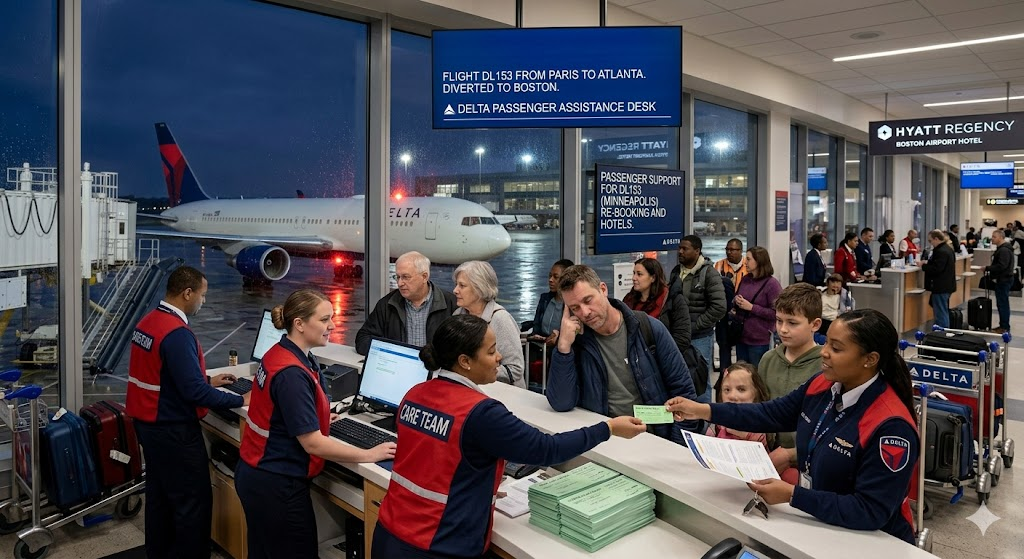
Delta also sent their specialized Care Team to help the passengers in the terminal. Because this was an international flight, travelers had to go through specific airport gates. Delta arranged new tickets on other flights to get everyone to Minneapolis safely. The airline also took care of meals and hotel rooms for those who needed to wait overnight.
The Role of the Airbus A330-300 Systems
The Airbus A330-300 is known as a very safe and reliable airplane. It uses advanced computers to monitor the engines, cabin air quality, and electrical lines. If a wire chafes or a sensor tracks an odd reading, a light blinks in the cockpit. This early warning system helps pilots fix issues long before they become dangerous.
In the case of the delta flight dl153 boston diversion, these smart sensors did exactly what they were built to do. They gave the pilots clear information about a mechanical system. By following these automated alerts, the crew made a wise choice to land early. This shows that the safety tech on modern jets works great.
What Passengers Should Do During a Diversion
If you ever find yourself on a flight that diverts, staying calm is the best step. Listen closely to the flight attendants and pilots when they speak over the speakers. The crew will tell you exactly what to do and where the plane is going. They practice these exact events in flight simulators every year.
Once the plane lands at the new airport, stay in your seat until the crew says it is safe to move. Sometimes, emergency trucks will look at the outside of the plane to ensure it is cool. After you get off the jet, look for airline agents near the gate. They will give you new boarding passes and update you on your luggage.
Passenger Rights and Airline Compensation
When a flight changes its path due to a mechanical issue, passengers have specific rights. Under airline rules, Delta must help you reach your final destination at no extra cost. If the new flight leaves the next day, the airline will pay for a hotel room and bus rides.
You can also ask for food vouchers to use at the airport restaurants. Many top credit cards offer travel insurance that covers these exact delays too. It is smart to keep all your boarding passes and receipts if you want to ask for compensation later.
Final Safety Record of Delta Air Lines
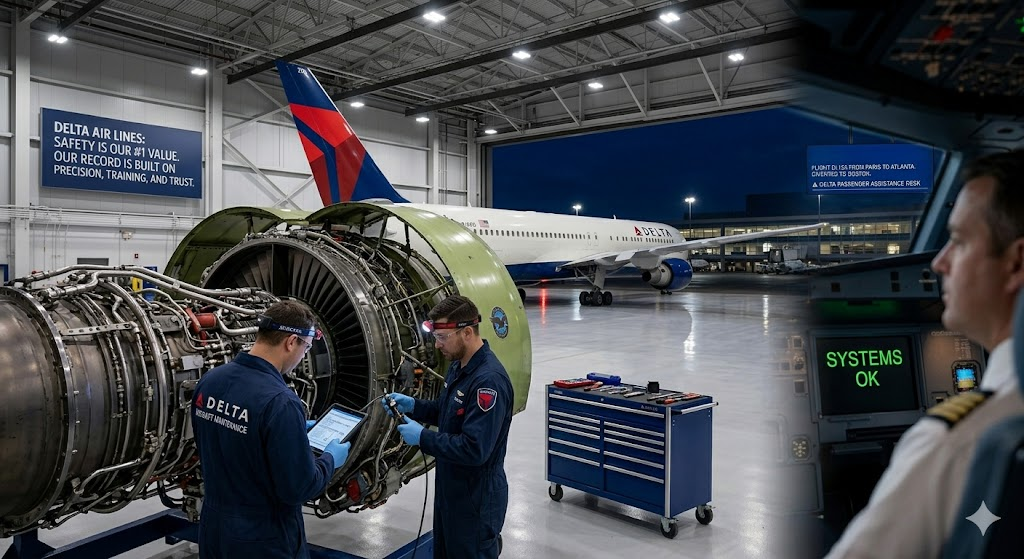
Even with an occasional diversion, Delta Air Lines keeps an excellent safety record. They invest heavily in daily plane maintenance and advanced pilot training programs. Incidents like the delta flight dl153 boston diversion prove that their safety rules work perfectly in real life.
The airline treats safety as its number one value. When pilots choose to divert a plane, it shows they care more about people than staying on schedule. This strong focus on safety is why millions of people trust them for international travel every single year.
Conclusion
The story of the delta flight dl153 boston diversion reminds us how much work goes into keeping air travel safe. Thanks to smart cockpit alerts and quick pilot choices, the plane landed without any trouble. Passengers faced a delay, but they arrived at their destinations safely.
Next time you book a long-distance flight, you can fly with peace of mind. Airlines have great backup plans for every situation. Have you ever been on a flight that had to change its route? Feel free to share your travel stories or ask questions in the comments below!
Frequently Asked Questions
1. Why did Delta flight DL153 divert to Boston?
The flight diverted because the pilots received an indication of a mechanical or technical issue. To keep everyone safe, they decided to land at the nearest major airport with proper maintenance support.
2. Was anyone hurt during the delta flight dl153 boston diversion?
No, there were no injuries. The aircraft landed safely at Boston Logan International Airport, and emergency crews met the plane on the runway as a standard safety step.
3. What happens to passenger luggage during an emergency diversion?
The airline keeps your bags on the plane or transfers them to your new flight. Ground crews handle all the heavy lifting, and you can pick up your luggage when you reach your final destination.
4. Does Delta offer refunds for a diverted flight?
Delta generally does not offer full cash refunds if they get you to your destination on a different flight. However, they will provide hotel stays, meals, and travel vouchers to make up for the bad experience.
5. How common are international flight diversions?
They are actually quite rare, but they happen every month across the industry. Airlines always prefer to alter a route early rather than take a risk over the ocean with an active mechanical alert.
6. Where can I find live updates for Delta flight statuses?
You can track active flights using the official Delta Air Lines mobile app. You can also use free online tracking websites like FlightAware or Flightradar24 by typing in the flight number.
