


Have you ever listened to a song and thought your instrument was actually talking? Music has a special way of showing deep human feelings. Sometimes, standard notes and chords are just not enough. You want your strings to weep, shout, or tell a whole story without saying a single real word.
For many years, players have searched for ways to bridge the gap between human speech and electronic sound. When you find a true Guitar Effect That Mimics a Voice, your whole creative world opens up. It turns a regular solo into an unforgettable vocal performance.
Famous rock legends used these tools to shock crowds and create timeless hits. You do not need a huge budget or decades of practice to start exploring these sounds today. Let us look at how you can bring this unique vocal magic straight to your own amplifier.
What Is a Talk Box?
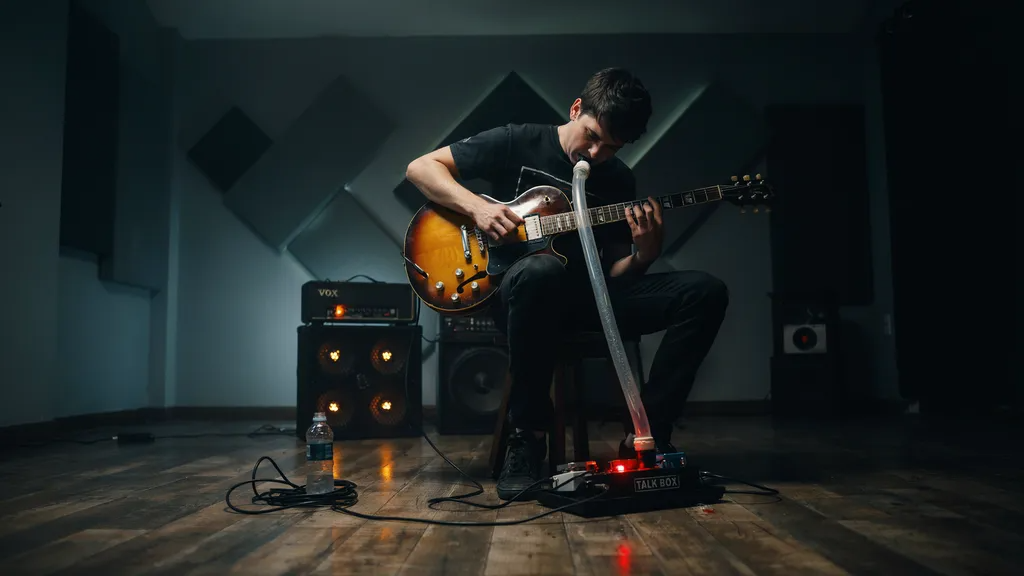
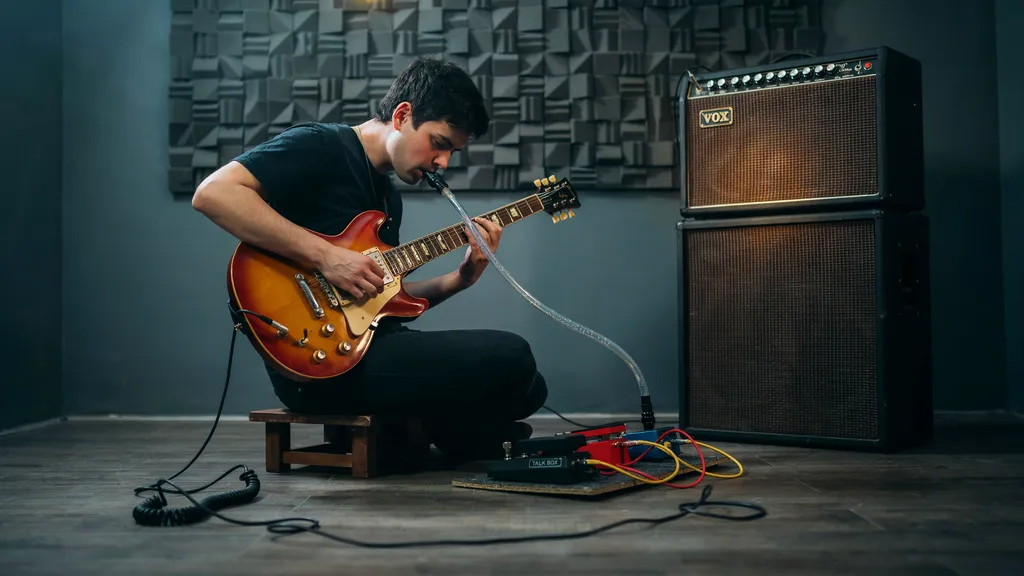
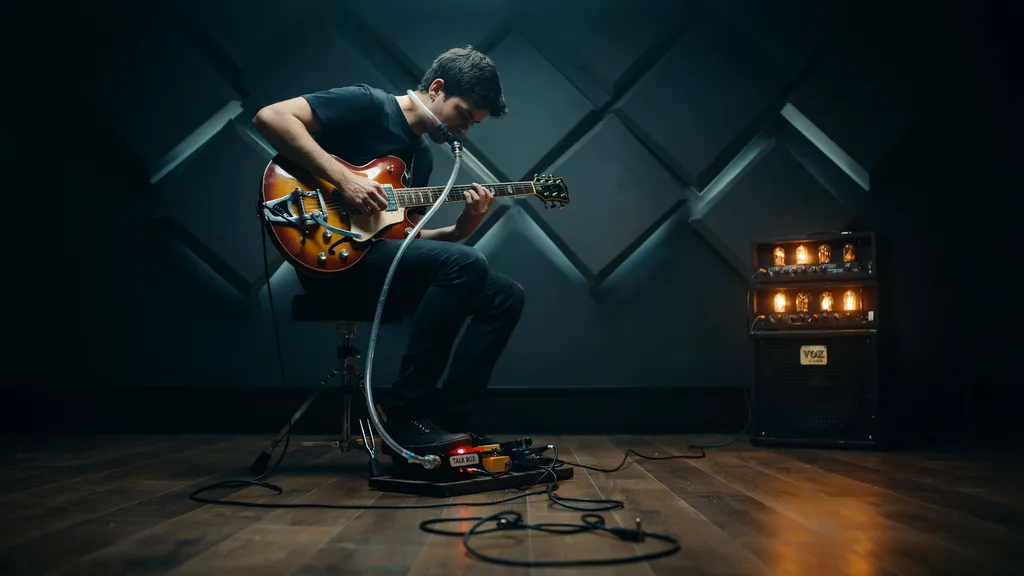
The talk box is the most famous tool designed to make instruments speak out loud. Instead of routing sound straight to a speaker cabinet, this neat hardware box sends your amplified signal through a clear plastic tube.
You place that tiny tube right inside the corner of your mouth. As you play notes on your fretboard, the sound travels up the tube and fills your oral cavity. You do not blow into the tube. Instead, you shape your mouth, lips, and tongue to form clear vowel sounds.
A nearby microphone picks up those shaped frequencies and sends them to the main sound system. When done right, it sounds like your instrument is literally singing words to the audience. It feels a bit silly at first, but the results are always magical.
How Vocoders Blend Speech and Strings
If putting plastic tubes in your mouth sounds too messy, a vocoder offers a clean digital alternative. This clever device takes two separate audio sources and merges them together in real time.
You plug your instrument into the input jack and connect a microphone for your voice. As you talk or sing into the mic, the box analyzes the frequency characteristics of your speech. It then applies those exact speech patterns onto the notes you play.
This creates that classic robotic texture heard on many vintage pop and electronic records. Modern pedals make this process very simple. You do not even need great singing skills because your hands handle all the melodic pitch changes.
The Classic Wah Pedal Cry
Long before digital boxes took over, players relied on a simple wah pedal to get a vocal response. Pushing your foot back and forth rocks a frequency filter up and down. This sweep closely mimics how human vowels shift when we speak.
Think of it as giving your instrument a crying voice. Moving the rocker slowly creates a sad, emotional sigh, while pumping it fast gives you a funky rhythm. It is an easy physical motion that adds instant personality to any blues or rock lead line.
While it does not form actual words like a talk box, it captures expressive emotion. Most pedalboards feature a wah because it remains a staple of natural, organic tone shaping.
Envelope Filters and Auto-Wah Magic
If you want vowel-like modulation without constantly moving your foot, an envelope filter is your best friend. Also known as an auto-wah, this circuit reacts dynamically to your picking strength.
Harder string picks trigger a sharper, more open filter sweep, creating a bouncy vocal quack. Softer notes yield a gentle, subtle filter movement. It adds a lively personality to funk grooves and fast rhythm lines.
Players love this effect because it frees up your feet during complex live performances. You just plug in, set your sensitivity knobs, and let the circuit do the talking for you.
Finger Phrasing and Natural Expression
You do not always need special hardware to make your strings speak. Legendary guitarists often made their instruments weep purely through physical touch and phrasing.
Wide string bends, smooth slides, and careful vibrato mimic the natural rise and fall of a singer’s breath. Pay attention to how vocalists pause and emphasize certain notes. Translating those natural breathing patterns to your fretboard brings deep emotional life to your playing.
Mastering these physical techniques costs nothing extra. Combine good finger phrasing with light overdrive, and you will find your solos sound much more human and alive.
Classic Songs That Defined the Sound
Nothing teaches you about these vocal gear choices better than listening to master musicians. Classic tracks showcase how these devices transform simple melodies into iconic cultural touchstones.
Peter Frampton made the talk box famous by carrying on a literal musical conversation with his crowd. In another genre, 1980s stadium anthems used sustained vocal filter tones to build massive, soaring intro hooks.
Listening closely to these records helps you understand proper timing and mouth shape exaggerations. Let these master tracks inspire your own unique tone journey in the practice room.
Setting Up Your Rig for Success
Getting a clean vocal tone requires careful attention to your signal chain order. Traditional talk boxes require a powered amplifier signal before hitting the driver unit, meaning placement rules are strict.
Always check your user manuals to protect your amplifier and speakers from accidental damage. If you use modern stompbox alternatives, they usually sit comfortably right alongside your standard distortion and delay pedals.
Keep a dedicated vocal microphone close by if your chosen method requires mouth articulation. Clear mic placement ensures your audience hears every vowel sound loud and clear.
Simple Practice Tips for Beginners
Learning to speak through your gear takes patience and daily practice. When using physical tubes or filters, make your mouth movements three times bigger than normal speech.
Hold your notes longer than you usually would. Fast shredding turns into muddy noise through a vocal modifier, so focus on slow, sustained vowels like “ah” and “oh”.
Spend ten minutes a day just matching your note rhythms to simple spoken words. Consistency transforms awkward beginner sounds into smooth, professional musical phrases.
Troubleshooting Common Tone Issues
Sometimes your vocal patches might sound weak, muddy, or difficult to understand clearly. This usually happens when microphone gain levels or pedal mix knobs are set incorrectly.
Ensure your instrument volume is turned all the way up to drive the effect engine properly. If the tone lacks clarity, try adjusting your amplifier’s mid frequencies to help the vocal formants cut through the mix.
Clean cables and proper power supplies also eliminate unwanted buzzing sounds. Small adjustments to your equipment layout quickly restore a crisp, expressive tone.
Complete Detailing Table
| Effect Type | Primary Mechanism | Best Used For | Learning Curve | Cost Range |
| Talk Box | Plastic tube routed to mouth | Classic rock solos | Steep | Medium ($100–$200) |
| Vocoder | Digital microphone signal blend | Robotic synth textures | Moderate | Medium-High ($200–$400) |
| Wah Pedal | Foot-rocked frequency sweep | Expressive blues cries | Easy | Low-Medium ($80–$150) |
| Envelope Filter | Pick-responsive auto filter | Funky rhythm quacks | Easy | Low-Medium ($70–$140) |
| Finger Phrasing | Natural bends and vibrato | Authentic emotional feel | High | Free |
Frequently Asked Questions
Do I need to know how to sing to use a vocoder?
No, singing skills are not required. Your hands handle all the musical notes on the fretboard while the pedal simply maps your speech patterns onto the sound.
How do I stop a talk box tube from feeling awkward?
Exaggerating your mouth shapes helps. Relax your jaw, keep the plastic tube tucked securely to the side of your mouth, and practice for short sessions daily.
Can I use a standard guitar pedal vocoder with a bass?
Yes, many modern stompboxes accept bass inputs, keyboards, and other electronic instruments alongside standard electric guitars.
Why does my talk box sound muffled through the microphone?
Microphone placement is usually the culprit. Place your vocal mic about six to eight inches away from your mouth to clearly capture the shaped audio exiting your lips.
Are digital software plugins better than hardware pedals?
Software plugins offer great studio convenience and clean workflows, while physical hardware pedals provide immediate tactile control during live stage performances.
What is the easiest vocal effect for a beginner to try?
An auto-wah or envelope filter is easiest because it requires no extra tubes or microphones, responding instantly to your normal picking dynamics.
Conclusion
Finding the right guitar effect that mimics a voice changes how you express musical ideas. Whether you choose a classic talk box, a digital vocoder, or simple finger phrasing, these tools bring a human soul to your instrument.
Experiment with different gear options, practice your mouth shapes, and have fun exploring new sonic textures. What vocal effect are you planning to add to your pedalboard first? Drop a comment below and share your tone goals!
